









1 / 10 Questions
0 Points

Which Scientist Has An Electrical Unit Named?

Henry

Coulomb

Ohm

Farad

Points won
0
Correct score
0%

More Questions

More Articles

Did You Know? 10 Animals That Change Color

Did You Know? 10 Animals That Change Color

⏱️ 6 min read

In the animal kingdom, survival often depends on the ability to adapt to changing environments. One of nature's most fascinating adaptations is the ability to change color—a remarkable feat that serves purposes ranging from camouflage and temperature regulation to communication and hunting. While chameleons are the poster children for this ability, they're far from alone. Numerous creatures across various habitats have evolved sophisticated mechanisms to alter their appearance, sometimes in the blink of an eye. These transformations involve complex biological processes including specialized cells, hormones, and neural responses that work in perfect harmony.

Masters of Color Transformation

1. The Cuttlefish: The Ocean's Quick-Change Artist

Cuttlefish possess perhaps the most sophisticated color-changing system in nature. These marine mollusks can transform their appearance in less than a second using millions of chromatophores—specialized pigment-containing cells in their skin. Beneath these lie iridophores and leucophores that reflect light, creating shimmering effects and patterns. What makes cuttlefish particularly remarkable is their ability to change color despite being colorblind themselves. They use this ability for camouflage against predators, communication with other cuttlefish, and mesmerizing prey during hunting. Scientists have documented cuttlefish displaying moving wave patterns and psychedelic shows that rival any digital display technology.

2. The Arctic Fox: Seasonal Wardrobe Changes

The Arctic fox undergoes one of nature's most dramatic seasonal transformations. During winter, these foxes sport thick, pristine white coats that provide perfect camouflage against snow and ice while offering superior insulation. As spring arrives and snow melts, their fur gradually transitions to brown or gray, matching the tundra's rocky, earthy terrain. This molting process takes several weeks and is triggered by changes in daylight duration rather than temperature. The color change serves dual purposes: concealment from both prey and predators, and temperature regulation suited to seasonal conditions.

3. The Mimic Octopus: Nature's Ultimate Impersonator

Beyond simple color changes, the mimic octopus can alter both its color and body shape to impersonate other marine animals. This Indonesian species can mimic at least fifteen different animals, including lionfish, sea snakes, and flatfish. Using specialized muscle cells and chromatophores, it can create patterns matching poisonous species, deterring predators through deception. The mimic octopus assesses threats in its environment and chooses which animal to imitate based on the specific predator it encounters, demonstrating remarkable intelligence alongside its physical transformation abilities.

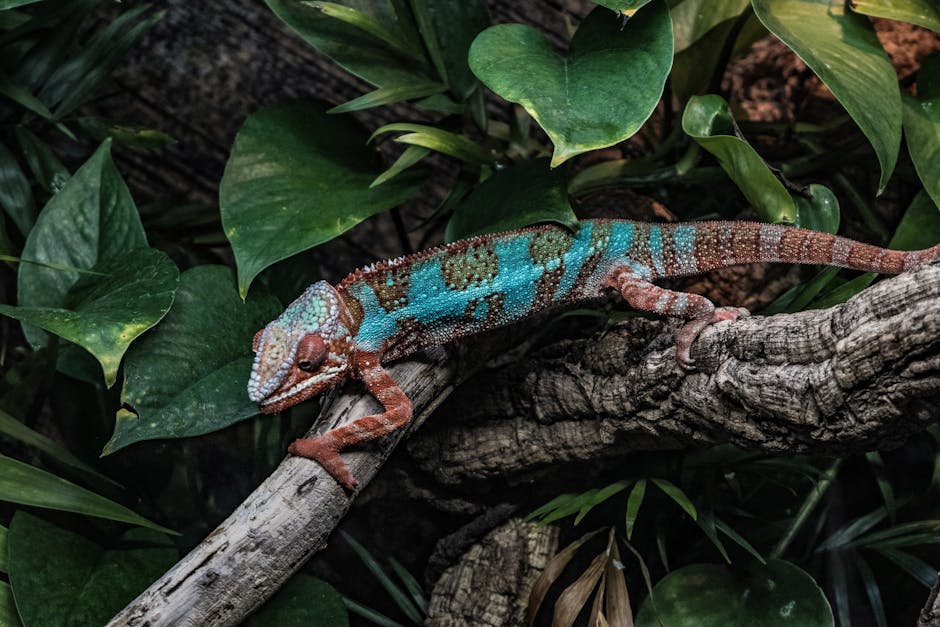
4. The Panther Chameleon: Color Communication Specialists

While all chameleons can change color to some degree, the panther chameleon native to Madagascar exhibits the most vibrant transformations. Contrary to popular belief, chameleons don't change color primarily for camouflage but rather for communication and temperature regulation. Males display brilliant reds, blues, and yellows during territorial disputes or courtship rituals. Recent research has revealed that chameleons change color by actively tuning nanocrystals in their skin cells, expanding or contracting the space between these crystals to reflect different wavelengths of light. When relaxed, the crystals are densely packed, reflecting blue light; when excited, they spread apart, reflecting yellow and red wavelengths.

5. The Peacock Flounder: Masters of Texture and Pattern

Peacock flounders possess extraordinary camouflage abilities that extend beyond color to include texture matching. These flatfish can replicate the exact pattern and texture of their surroundings, whether sandy bottoms, rocky surfaces, or even checkerboard patterns in laboratory settings. They achieve this by using their vision to analyze their environment, then adjusting thousands of chromatophores across their body. Remarkably, flounders can match complex backgrounds within eight seconds. Their eyes work independently to scan their surroundings, feeding information to their nervous system that orchestrates the transformation across their entire body surface.

6. The Golden Tortoise Beetle: Living Jewelry

This tiny beetle appears like a drop of molten gold under normal conditions, but can shift to a dull reddish-brown when disturbed or during mating. The transformation occurs through moisture control in the layers of their exoskeleton. The beetle's shell contains multiple transparent layers separated by liquid-filled grooves. By controlling the amount of moisture in these grooves, the beetle changes how light reflects through the layers, altering its appearance from shiny gold to matte orange-red. This process is reversible and can occur within minutes, serving as both camouflage and a distraction mechanism when threatened.

7. The Seahorse: Slow but Steady Color Shifters

Seahorses may change color more slowly than cephalopods, but their transformations are no less impressive. These unique fish alter their appearance to blend with coral, seagrass, and other marine environments where they anchor themselves. Their color changes serve multiple purposes: camouflage from predators, ambush hunting strategy, social signaling, and stress responses. During courtship, seahorses may brighten considerably or display synchronized color changes with their mates. Their color-changing ability relies on chromatophores controlled by hormones and their nervous system, with complete transformations taking anywhere from several minutes to hours.

8. The Pacific Tree Frog: Adapting to Humidity and Light

Pacific tree frogs can transition from brown to bright green and various shades in between, depending on environmental conditions. Temperature, humidity, and light levels all influence their coloration. Unlike some rapid color-changers, tree frogs' transformations occur over hours rather than seconds, making them better suited for long-term environmental matching than quick escape responses. The color change involves chromatophores and is regulated by hormones released in response to environmental stimuli detected through their skin. Darker colors help them absorb heat in cooler conditions, while lighter shades reflect light when temperatures rise.

9. The Crab Spider: Patient Predatory Camouflage

Crab spiders, particularly the white and yellow species, can change color to match the flowers where they hunt. These spiders don't spin webs but instead wait motionless on flower petals for pollinators to arrive. The color transformation from white to yellow or vice versa takes several days to complete, involving the secretion or circulation of pigments throughout their body. This slow change indicates the spider is committing to a particular hunting ground. The camouflage is so effective that even ultraviolet-sensitive insects, which see flowers differently than humans, fail to detect the hidden predator.

10. The Squid: Bioluminescent Light Shows

Many squid species combine color-changing chromatophores with bioluminescence—the ability to produce light through chemical reactions. The Hawaiian bobtail squid, for instance, uses bioluminescent bacteria housed in special organs to match the moonlight filtering through water, making it invisible to predators looking up from below. Other deep-sea squids create flashing light displays in various colors to communicate, confuse predators, or attract prey. This dual system of pigment-based color change and light production represents one of evolution's most sophisticated camouflage and communication systems.

The Science Behind the Spectacle

These remarkable abilities showcase the diverse evolutionary paths animals have taken to solve similar survival challenges. From the near-instantaneous transformations of cephalopods to the gradual seasonal changes of Arctic foxes, each species has developed color-changing abilities perfectly suited to its ecological niche. Understanding these mechanisms continues to inspire technological innovations in materials science, military camouflage, and display technologies. These ten animals remind us that nature's solutions to survival challenges often exceed anything human engineering has yet achieved, combining speed, precision, and beauty in ways that continue to astonish researchers and nature enthusiasts alike.

Top 10 Movies That Became Cultural Phenomena

Top 10 Movies That Became Cultural Phenomena

⏱️ 7 min read

Some films transcend their status as mere entertainment to become defining moments in popular culture. These movies don't just capture audiences—they shape language, fashion, social movements, and the way entire generations view the world. They spark conversations, inspire countless parodies, and leave an indelible mark on society that extends far beyond the theater. Here are ten films that fundamentally changed the cultural landscape and continue to influence us today.

The Films That Changed Everything

1. Star Wars: A New Hope (1977) - The Birth of Modern Fandom

George Lucas's space opera didn't just revolutionize special effects and blockbuster filmmaking—it created the blueprint for modern fan culture. Star Wars introduced merchandising on an unprecedented scale, from action figures to lunch boxes, generating billions in revenue and proving that a film's cultural impact could extend infinitely beyond its theatrical run. The movie's mythology, quotable dialogue ("May the Force be with you"), and archetypal characters became embedded in global consciousness. It spawned conventions, fan fiction, and a multi-generational franchise that continues to dominate popular culture nearly five decades later. The film's influence on visual effects, sound design, and narrative structure fundamentally altered what audiences expected from cinema.

2. The Godfather (1972) - Redefining American Cinema

Francis Ford Coppola's masterpiece transformed both the gangster genre and American filmmaking itself. The Godfather elevated genre pictures to the realm of high art, proving that popular entertainment could also be profound artistic expression. Its influence permeates film language, from its shadowy cinematography to its operatic storytelling. Beyond cinema, the film affected how Americans understood power, family, and the immigrant experience. Phrases like "I'm gonna make him an offer he can't refuse" and "Leave the gun, take the cannoli" entered everyday conversation. The movie's wedding scene became a template for countless films, while Marlon Brando's performance created an iconic character that remains the gold standard for portrayals of power and corruption.

3. Jaws (1975) - Inventing the Summer Blockbuster

Steven Spielberg's thriller about a man-eating shark fundamentally changed how movies were marketed and released. Jaws created the summer blockbuster model, complete with saturation advertising and wide theatrical releases that studios still follow today. The film's cultural impact extended to real-world behavior, instilling a fear of sharks in beachgoers worldwide and affecting public perception of these marine animals for generations. John Williams's iconic two-note theme became synonymous with impending danger in popular culture. The movie proved that genre films could achieve both critical acclaim and massive commercial success, paving the way for the blockbuster era that would define modern Hollywood.

4. Pulp Fiction (1994) - The Independent Film Revolution

Quentin Tarantino's nonlinear crime saga revitalized independent cinema and changed how stories could be told on screen. Its fragmented narrative structure, pop culture-laden dialogue, and eclectic soundtrack influenced countless filmmakers and legitimized indie films as viable commercial properties. Pulp Fiction resurrected John Travolta's career, made Samuel L. Jackson a superstar, and turned Tarantino into a cultural icon. The film's scenes—the dance contest, the adrenaline shot, the diner standoff—became instantly recognizable cultural touchstones. Its success demonstrated that audiences would embrace unconventional storytelling and helped launch the American independent film movement of the 1990s, proving that artistic vision could coexist with commercial success.

5. The Matrix (1999) - Questioning Reality in the Digital Age

The Wachowskis' cyberpunk thriller arrived at the perfect cultural moment, capturing millennial anxieties about technology, reality, and control. The Matrix introduced "bullet time" photography, which became instantly iconic and widely imitated across media. Beyond its visual innovations, the film's philosophical questions about reality, simulation, and choice resonated deeply with audiences entering the internet age. Phrases like "red pill" and "blue pill" entered political and social discourse, while the movie's leather-and-sunglasses aesthetic influenced fashion. The film's themes became increasingly relevant as social media and virtual reality advanced, making it a prophetic examination of humanity's relationship with technology.

6. The Blair Witch Project (1999) - Pioneering Viral Marketing

This low-budget horror film demonstrated the power of internet marketing and changed how films could be promoted. The Blair Witch Project's creators built a mythology around the film through a groundbreaking online campaign that blurred the lines between fiction and reality. The found-footage format, which cost less than $60,000 to produce yet earned nearly $250 million worldwide, inspired countless imitators and proved that innovative marketing could turn shoestring productions into cultural events. The film launched the found-footage horror subgenre and showed independent filmmakers that viral marketing and word-of-mouth could compete with traditional studio advertising budgets.

7. Black Panther (2018) - Representation and Superhero Cinema

Ryan Coogler's Marvel film transcended the superhero genre to become a cultural milestone for representation in Hollywood. Black Panther proved that films with predominantly Black casts could achieve massive global success, earning over $1.3 billion worldwide and receiving critical acclaim including a Best Picture Oscar nomination. The film's Afrofuturist aesthetic, celebration of African culture, and powerful themes of identity and responsibility resonated across demographics. "Wakanda Forever" became a rallying cry, while the movie sparked conversations about representation, colonialism, and Black excellence. Its success fundamentally changed Hollywood's approach to diversity and demonstrated the hunger for stories that reflected previously underrepresented communities.

8. E.T. the Extra-Terrestrial (1982) - The Universal Childhood Experience

Spielberg's tale of a boy and his alien friend became the quintessential childhood film for an entire generation. E.T. captured universal themes of friendship, loss, and wonder with emotional depth that resonated across cultures. The image of Elliott and E.T. silhouetted against the moon became one of cinema's most iconic visuals. The film's success demonstrated that family-friendly movies could be sophisticated and emotionally powerful, not just juvenile entertainment. Reese's Pieces sales skyrocketed after the film's release, showing movies' power to influence consumer behavior. The movie's portrayal of suburban childhood and its "phone home" catchphrase became embedded in global pop culture.

9. Rocky (1976) - The Underdog Story Template

Sylvester Stallone's boxing drama created the template for underdog sports films and launched one of cinema's most enduring franchises. Rocky's story of a working-class fighter getting an impossible shot at greatness resonated with audiences' aspirations and became synonymous with the American Dream. The training montage, particularly the iconic run up the Philadelphia Museum of Art steps, became a cultural touchstone endlessly referenced and parodied. The film's theme song became an anthem for perseverance and determination. Rocky proved that character-driven sports films could achieve both critical and commercial success, winning the Academy Award for Best Picture and inspiring countless athletes and dreamers.

10. Titanic (1997) - The Event Movie Phenomenon

James Cameron's historical epic became a global cultural event, dominating theaters for months and becoming the first film to gross over $1 billion worldwide. Titanic combined spectacle with intimate romance, attracting audiences who saw it multiple times in theaters—a phenomenon that demonstrated cinema's continuing power in the home video era. The film made Leonardo DiCaprio a global superstar, turned Celine Dion's "My Heart Will Go On" into an omnipresent anthem, and sparked renewed interest in the historical Titanic disaster. The movie's "I'm flying" scene and "I'm the king of the world" line became instantly iconic. Its success proved that lengthy, expensive period pieces could capture mainstream audiences and showed that theatrical experiences still held unique appeal.

Legacy and Lasting Impact

These ten films demonstrate that true cultural phenomena transcend entertainment to become shared experiences that define eras. They introduce new visual languages, create lasting catchphrases, influence fashion and behavior, and shape how we understand ourselves and our world. Whether through technological innovation, powerful storytelling, groundbreaking representation, or perfect timing, these movies captured something essential about their moments while achieving timelessness. Their influence continues to ripple through cinema and culture, proving that the right film at the right time can fundamentally change how we see the world and ourselves.