









⏱️ 6 min read
The relationship between sports and commercial sponsorship has evolved into a multi-billion dollar industry that shapes how fans experience their favorite games. From humble beginnings with simple advertisements to today's sophisticated partnerships, the history of sports sponsorship reveals surprising stories, groundbreaking innovations, and transformative moments that changed both business and athletics forever. These fascinating historical facts demonstrate how sponsorship became an inseparable part of the sporting world we know today.
The Origins and Evolution of Sports Sponsorship
1. Tobacco Companies Pioneered Modern Sports Sponsorship
In the early 20th century, tobacco companies recognized sports as the perfect vehicle for their marketing efforts. Cigarette brands began sponsoring baseball teams and boxing matches as early as the 1900s, creating trading cards featuring athletes that became collector's items. This controversial relationship lasted for decades, with tobacco sponsorship dominating motorsports, tennis, and other sports until health concerns and legislation finally ended these partnerships in many countries by the late 1990s and early 2000s.
2. The 1928 Olympics Marked a Turning Point for Global Sponsorship
The Amsterdam Olympics in 1928 became a watershed moment when Coca-Cola first sponsored the Games, beginning what would become one of the longest-running sponsorship relationships in sports history. This partnership introduced the concept of global brand association with international sporting events, setting a precedent that companies worldwide would follow. Coca-Cola has maintained its Olympic sponsorship for nearly a century, investing billions in the relationship and demonstrating the long-term value of sports partnerships.
3. NASCAR Was Built on Corporate Sponsorship from Its Inception
Unlike other sports that gradually adopted sponsorship, NASCAR embraced commercial partnerships from its official founding in 1948. The racing series recognized that corporate backing was essential for survival, leading to cars covered in sponsor logos becoming the sport's defining visual characteristic. This model proved so successful that it influenced how other motorsports and even traditional sports approached sponsorship, demonstrating that commercial partnerships could be integral to a sport's identity rather than just supplementary income.
Revolutionary Sponsorship Deals That Changed the Game
4. The $1,000 Handshake That Created Nike's Empire
In 1984, Nike signed Michael Jordan to a five-year, $2.5 million endorsement deal that seemed risky at the time for a relatively small athletic shoe company. This partnership revolutionized athlete sponsorship by creating the Air Jordan brand, which generated over $100 million in its first year alone. The deal transformed Nike into a global powerhouse and established the template for athlete endorsements as brand-building partnerships rather than simple advertising arrangements, fundamentally changing how companies approach sports marketing.
5. Perimeter Advertising Originated in European Soccer
The rotating advertising boards that surround soccer pitches, now ubiquitous in sports worldwide, first appeared in European football stadiums during the 1970s. This innovation allowed sponsors to gain television exposure without interfering with play, creating valuable real estate for brands seeking visibility during broadcasts. The concept spread rapidly across all sports, evolving from static billboards to LED displays capable of showing different advertisements to different television markets simultaneously, maximizing sponsor value.
6. Jersey Sponsorships Were Once Considered Taboo
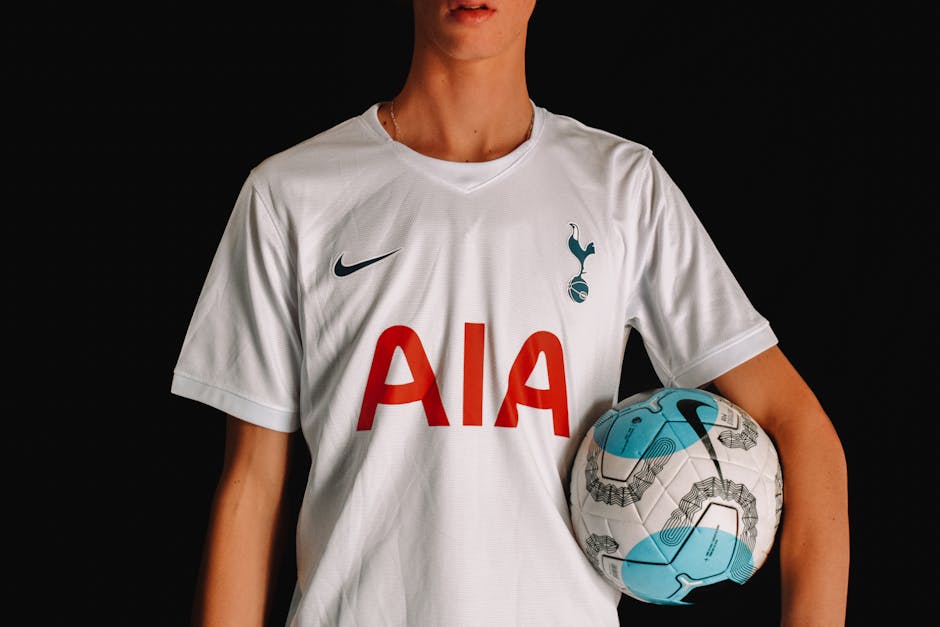
When German football club Eintracht Braunschweig first placed a sponsor logo on their jerseys in 1973, the decision sparked fierce controversy. Purists argued that commercial logos would destroy the sanctity of sports uniforms and distract from the game itself. Despite initial resistance, the practice spread globally, and today, jersey sponsorships represent some of the most valuable real estate in sports marketing, with top-tier football clubs commanding over $50 million annually for front-of-shirt sponsorship rights.
Unexpected Sponsorship Innovations
7. Stadium Naming Rights Began with a Breakfast Cereal
While corporate stadium names are now commonplace, the practice began unexpectedly in 1912 when chewing gum magnate William Wrigley Jr. acquired naming rights to the Chicago Cubs' ballpark. However, the modern era of stadium naming rights as a distinct sponsorship category truly launched in 1988 when Great Western Bank paid for naming rights to the Los Angeles Forum. This opened floodgates for corporations to attach their names to venues, with some deals now exceeding $20 million annually and spanning multiple decades.
8. Virtual Advertising Technology Emerged from Sports Sponsorship
The desire to maximize sponsorship revenue led to the development of virtual advertising technology in the 1990s, allowing broadcasters to insert computer-generated advertisements that appear only on television screens, not in the physical venue. This innovation enabled sponsors to target specific geographic markets with relevant advertisements during the same game, fundamentally changing how broadcast sponsorship worked. The technology has continued evolving, now incorporating augmented reality elements that seamlessly integrate sponsored content into live sports broadcasts.
9. The First Million-Dollar Athlete Endorsement Deal Involved a Watch
In 1974, Pelé signed a groundbreaking endorsement deal with Puma reportedly worth over $1 million, setting a new benchmark for athlete sponsorship value. This astronomical figure for the era demonstrated that elite athletes could command unprecedented compensation for lending their names and images to brands. The deal signaled a shift in power dynamics, with top athletes becoming valuable brand ambassadors capable of negotiating contracts that rivaled or exceeded their actual playing salaries.
Modern Sponsorship Milestones
10. Ambush Marketing Became an Art Form at the Olympics
As official Olympic sponsorships became prohibitively expensive, non-sponsor companies developed creative "ambush marketing" tactics to associate themselves with the Games without paying sponsorship fees. The practice reached its peak during the 1992 Barcelona Olympics when several companies executed sophisticated campaigns that led viewers to believe they were official sponsors. This cat-and-mouse game forced organizers to develop increasingly strict protection measures for sponsor rights, fundamentally changing how sporting events manage their commercial relationships and intellectual property.
11. Social Media Transformed Individual Athlete Sponsorship Value
The rise of social media platforms in the 2010s revolutionized how athletes delivered value to sponsors, shifting focus from traditional advertising to authentic engagement with millions of followers. Athletes with large social media followings could now command significant sponsorship fees based on their ability to directly reach and influence consumers, regardless of their on-field performance. This democratization of sponsorship created opportunities for athletes in less prominent sports to secure lucrative deals based on their personal brand and digital influence rather than solely their athletic achievements.
12. Cryptocurrency and Blockchain Entered Sports Sponsorship
Beginning in the late 2010s, cryptocurrency companies and blockchain platforms emerged as major sports sponsors, marking the newest frontier in sponsorship history. These companies invested hundreds of millions in naming rights, jersey sponsorships, and athlete endorsements, bringing unprecedented attention to digital currencies through sports partnerships. This wave of sponsorship from an entirely new industry sector demonstrated how sports continue to serve as a launching pad for emerging businesses seeking mainstream legitimacy and consumer awareness.
The Lasting Impact of Sponsorship History
The evolution of sports sponsorship reflects broader changes in commerce, media, and society over the past century. From controversial tobacco advertisements to cutting-edge cryptocurrency partnerships, sponsorship history reveals how sports and business have become increasingly intertwined. These twelve facts illustrate that sports sponsorship has always been more than simple advertising—it has been a driver of innovation, a reflection of cultural values, and a fundamental force shaping how sports are presented, consumed, and financed. Understanding this history provides valuable context for the sophisticated sponsorship ecosystem that exists today, where brands invest billions to associate themselves with athletic excellence and the passion sports inspire in fans worldwide.