








1 / 10 Questions
0 Points

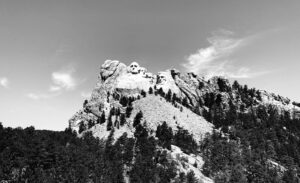
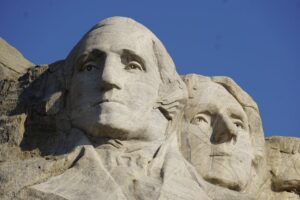
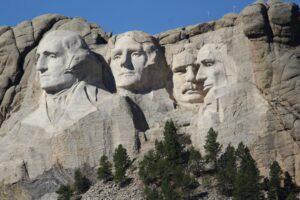
In which U.S. state is Mount Rushmore located?

Montana

Wyoming

South Dakota

North Dakota

Points won
0
Correct score
0%

More Questions

More Articles

Did You Know? 10 Fun Facts About Stand-Up Legends

Did You Know? 10 Fun Facts About Stand-Up Legends

⏱️ 6 min read

Stand-up comedy has given us some of the most brilliant, innovative, and unforgettable performers in entertainment history. Behind the laughter and perfectly timed punchlines lie fascinating stories, surprising career turns, and little-known facts that reveal the human side of these comedic giants. From unexpected early jobs to record-breaking achievements, these legendary comedians have left their mark on culture in ways that extend far beyond the stage.

Remarkable Stories Behind Comedy's Biggest Names

1. George Carlin's Early Career as a Disc Jockey

Before becoming one of the most influential and controversial voices in stand-up comedy, George Carlin worked as a radio disc jockey in Shreveport, Louisiana. During his time in radio during the late 1950s, he was fired multiple times for his irreverent on-air behavior. This early experience with broadcasting helped shape his impeccable timing and understanding of rhythm in comedy. Carlin's transition from clean-cut DJ to counterculture icon represents one of the most dramatic transformations in comedy history, culminating in his famous "Seven Words You Can Never Say on Television" routine that went all the way to the Supreme Court.

2. Richard Pryor's Groundbreaking Concert Films

Richard Pryor revolutionized stand-up comedy not just on stage but on film. His 1979 concert film "Richard Pryor: Live in Concert" was the first full-length theatrical release devoted entirely to a stand-up performance. The film broke new ground by treating comedy as a legitimate cinematic art form, paving the way for countless comedy specials and concert films that followed. Pryor's raw, honest, and deeply personal style influenced generations of comedians, and his willingness to discuss race, addiction, and personal struggles with unflinching honesty changed what audiences expected from stand-up comedy.

3. Joan Rivers' Record-Breaking Career Longevity

Joan Rivers performed stand-up comedy for an astounding 55 years, from 1959 until her death in 2014 at age 81. She was known for maintaining one of the most grueling work schedules in show business, performing over 200 shows per year well into her seventies. Rivers kept a card catalog system containing over 65,000 jokes, meticulously organized and updated throughout her career. Her relentless work ethic and refusal to retire set a standard for dedication to the craft that few have matched.

4. Robin Williams' Incredible Improvisational Speed

Robin Williams possessed one of the fastest comedic minds in entertainment history. During the filming of "Mork & Mindy," producers would often shoot scenes multiple times because Williams would improvise different material in each take, making it difficult to choose which version to use. His stand-up performances were legendary for their rapid-fire delivery and stream-of-consciousness style, with Williams reportedly thinking and performing at a pace that made it challenging for audiences to keep up. HBO executives once calculated that during his comedy specials, Williams generated more laughs per minute than any other comedian they had recorded.

5. Bill Cosby's Educational Achievement and Doctorate

Long before his fall from grace, Bill Cosby earned a legitimate doctorate in education from the University of Massachusetts Amherst in 1976. His dissertation focused on the use of Fat Albert and the Cosby Kids as a teaching tool in elementary schools. Cosby was one of the few comedians to hold a doctoral degree and often incorporated educational themes into his comedy and television work. His early comedy albums in the 1960s also broke barriers by focusing on universal human experiences rather than racial humor, making him one of the first crossover African American comedy stars.

6. Eddie Murphy's Record-Setting SNL Rescue

Eddie Murphy is widely credited with single-handedly saving "Saturday Night Live" from cancellation during the show's troubled 1980-81 season. At just 19 years old, Murphy became the youngest cast member in SNL history and created iconic characters like Gumby, Buckwheat, and Mr. Robinson. His stand-up special "Delirious" (1983) became one of the most successful comedy specials ever filmed, and at 22, Murphy became the youngest comedian to perform a concert at Madison Square Garden. His influence helped establish stand-up comedy as a launching pad for major film careers.

7. Jerry Seinfeld's Disciplined Writing Routine

Jerry Seinfeld is famous among comedians for his disciplined approach to joke writing. He uses a calendar method where he marks an X for every day he writes new material, creating a chain of X's that motivates him not to break the streak. Seinfeld has been known to spend months perfecting a single joke, testing it repeatedly in small clubs before adding it to his main set. Even after achieving massive success with his sitcom, he never stopped performing stand-up regularly, maintaining his skills and connection to live audiences throughout his career.

8. Dave Chappelle's $50 Million Walk-Away

In 2005, Dave Chappelle shocked the entertainment world by walking away from a $50 million contract with Comedy Central for the third season of "Chappelle's Show." At the height of his popularity, Chappelle abruptly left during production and traveled to South Africa, citing concerns about the show's direction and his own mental health. This decision, considered career suicide by many at the time, ultimately enhanced his legendary status. When Chappelle returned to stand-up years later, his comeback specials for Netflix reportedly earned him over $60 million, vindicating his decision to prioritize artistic integrity over immediate financial gain.

9. Lucille Ball's Stand-Up Origins

Though primarily known as a television icon, Lucille Ball began her entertainment career performing stand-up comedy in New York City clubs during the 1930s. Her physical comedy skills and timing, which became her trademark on "I Love Lucy," were honed during these early stage performances. Ball was also the first woman to run a major television production company, Desilu Productions, which produced not only her own shows but also "Star Trek" and "Mission: Impossible." Her business acumen and comedic innovation made her a trailblazer for women in comedy and entertainment.

10. Steve Martin's Banjo Playing and Art Collecting

Steve Martin is an accomplished banjo player who has won Grammy Awards for his bluegrass music, demonstrating that his talents extend far beyond stand-up comedy. Martin began playing banjo at age 17 and has released multiple albums, even touring with professional bluegrass bands. Additionally, Martin is a serious art collector and scholar, with expertise in 19th and 20th-century art. He has written books about art collecting and even curated exhibitions for major museums. His diverse interests showcase the intellectual depth that informed his abstract, cerebral approach to comedy during the 1970s, when he became one of the biggest stand-up stars in America.

The Legacy of Comedy Innovation

These ten facts reveal that stand-up legends are far more complex and multifaceted than their stage personas might suggest. From academic achievements to musical talents, from business savvy to unwavering artistic principles, these comedians have demonstrated excellence across multiple domains. Their contributions to entertainment extend beyond making audiences laugh—they've pushed boundaries, challenged social norms, broke down barriers, and created new opportunities for future generations of performers. Understanding these fascinating details about comedy's greatest practitioners deepens our appreciation for their craft and reminds us that behind every great joke is a dedicated artist with a remarkable story to tell.
Top 10 Fun Facts About Horror Movies

Top 10 Fun Facts About Horror Movies

⏱️ 7 min read

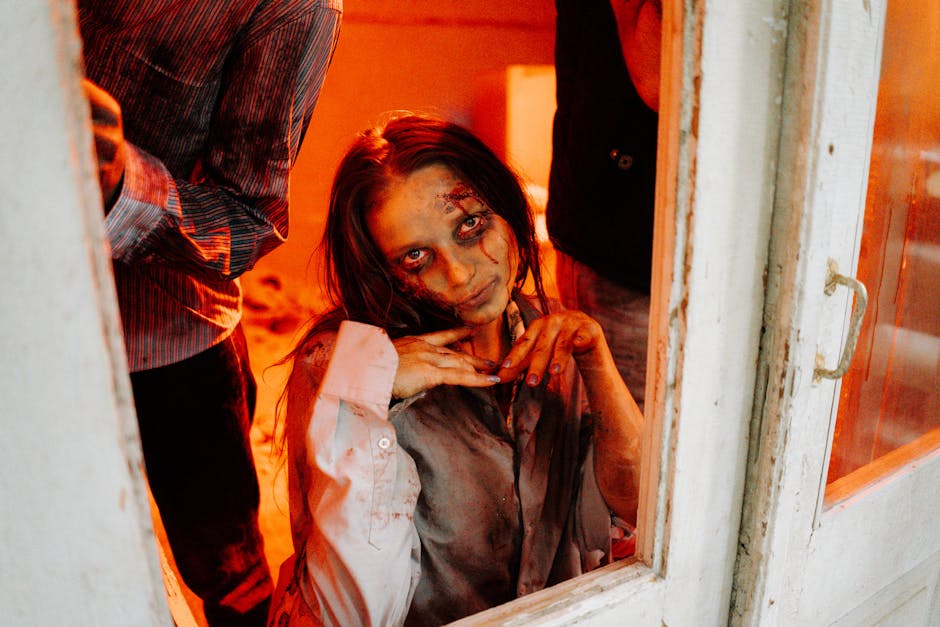
Horror films have captivated audiences for over a century, delivering spine-tingling scares and unforgettable nightmares. Behind the blood-curdling screams and shadowy cinematography lies a fascinating world of creative ingenuity, unexpected challenges, and bizarre real-world consequences. The genre has produced some of cinema's most iconic moments while simultaneously pushing boundaries and testing the limits of what audiences can endure. From revolutionary special effects techniques to surprising audience reactions, the history of horror cinema is filled with remarkable stories that rival the films themselves.

Behind the Screams: Fascinating Horror Movie Revelations

The Exorcist Caused Real-World Medical Emergencies

When "The Exorcist" premiered in 1973, theaters were unprepared for the audience response. Moviegoers fainted, vomited, and experienced panic attacks in such large numbers that some theaters stationed paramedics in lobbies. Reports emerged of people running from theaters, and at least one case involved a woman who suffered a miscarriage that she attributed to the film's intensity. The phenomenon became so widespread that media outlets covered the "Exorcist effect" as a cultural event, with psychiatrists appearing on talk shows to discuss why the film triggered such visceral reactions. The movie's director, William Friedkin, later revealed that he included subliminal imagery throughout the film, including brief flashes of demonic faces, which may have contributed to viewers' unease without their conscious awareness.

Psycho's Chocolate Syrup Blood Revolution

Alfred Hitchcock's infamous shower scene in "Psycho" revolutionized horror cinematography, but the "blood" that shocked audiences was actually Bosco chocolate syrup. Since the film was shot in black and white, Hitchcock and cinematographer John L. Russell discovered that chocolate syrup provided the perfect viscosity and contrast on camera. This improvisation became an industry standard for black-and-white horror films. The shower scene itself required seven days to film and used 70 camera setups for just 45 seconds of footage. Hitchcock's meticulous attention to detail paid off—the sequence remains one of the most studied and parodied scenes in cinema history, fundamentally changing how violence could be suggested rather than explicitly shown on screen.

The Blair Witch Project's Five-Day Shoot Budget Miracle

Created for approximately $60,000 and filmed in just eight days, "The Blair Witch Project" became one of the most profitable films ever made, grossing nearly $250 million worldwide. The filmmakers gave the actors handheld cameras and GPS coordinates, leaving them to improvise much of their dialogue while the directors remained hidden in the woods, occasionally terrorizing them at night. The actors genuinely didn't know what scares awaited them, creating authentic reactions. The innovative marketing campaign blurred the lines between fiction and reality, with many viewers initially believing the footage was real. This guerrilla filmmaking approach and viral marketing strategy predated social media and permanently influenced how independent horror films could achieve massive success.

Scream's Groundbreaking Meta-Horror Commentary

Wes Craven's "Scream" revitalized the slasher genre in 1996 by having characters explicitly discuss horror movie rules and clichés while simultaneously following and subverting them. This self-aware approach was revolutionary, as horror films had rarely acknowledged their own conventions. The film's screenwriter, Kevin Williamson, wrote the script in just three days after watching the news about a series of real murders and wondering how he would survive a similar situation. The opening scene featuring Drew Barrymore was strategically designed to shock audiences by killing off the biggest star within the first 12 minutes, signaling that no character was safe. This meta-approach influenced countless films and television shows across all genres.

The Texas Chain Saw Massacre's PG-Rating Attempt

Despite its reputation as one of the most violent horror films ever made, "The Texas Chain Saw Massacre" contains remarkably little onscreen blood or gore. Director Tobe Hooper actually hoped to receive a PG rating by relying on suggestion and implied violence rather than explicit imagery. The film ultimately received an R rating, but Hooper's strategy proved that psychological horror and atmosphere could be more effective than graphic violence. The dinner scene, considered one of the most disturbing sequences in horror cinema, shows almost no actual violence but creates overwhelming discomfort through sound design, acting, and editing. The film's visceral impact demonstrates how perception often exceeds reality in effective horror filmmaking.

The Shining's Destroyed Door and Jack Nicholson's Firefighting Past

During the filming of "The Shining," the iconic "Here's Johnny!" scene required multiple takes because Jack Nicholson, who had previously worked as a volunteer firefighter, destroyed the door too quickly with the axe. The prop department had to build a more durable door because Nicholson's technique was too efficient. Director Stanley Kubrick was famous for demanding numerous takes—some scenes required over 100 attempts—but Nicholson's real-world experience created an unexpected production challenge. The phrase "Here's Johnny!" was actually improvised by Nicholson, referencing Johnny Carson's "Tonight Show" introduction. Kubrick initially didn't understand the reference but kept it in the film, creating one of horror's most quoted lines.

A Nightmare on Elm Street's Real-Life Inspiration

Writer-director Wes Craven based Freddy Krueger on a series of Los Angeles Times articles about Southeast Asian refugees who died during nightmares. The articles described young, healthy men who refused to sleep, fearing their dreams, and eventually died in their sleep with no medical explanation. Craven combined this phenomenon with a childhood memory of a disturbing homeless man who stared at him through his window. The concept of a villain who attacks in dreams, where everyone is vulnerable and helpless, tapped into universal fears. Robert Englund's portrayal transformed Freddy into a cultural icon, and the film launched New Line Cinema to major studio status, earning it the nickname "The House That Freddy Built."

Poltergeist's Cursed Production Urban Legend

The "Poltergeist curse" became one of Hollywood's most persistent legends after four cast members died within six years of the trilogy's completion. Most notably, both Dominique Dunne and Heather O'Rourke died tragically young under different circumstances. The legend intensified due to the revelation that real human skeletons were used in the swimming pool scene during the first film because they were cheaper than plastic replicas—a decision that horrified actress JoBeth Williams when she learned about it years later. While the curse has been debunked as coincidence, it reflects how horror films can develop mythologies that extend beyond the screen, blurring fiction and reality in the public imagination.

The Silence of the Lambs' Unexpected Academy Sweep

This psychological horror thriller became only the third film in history to win the "Big Five" Academy Awards: Best Picture, Best Director, Best Actor, Best Actress, and Best Adapted Screenplay. Horror films rarely receive such mainstream critical recognition, making this achievement particularly remarkable. Anthony Hopkins won Best Actor despite appearing on screen for only 16 minutes, demonstrating the character's powerful impact. Director Jonathan Demme's technique of having Hannibal Lecter speak directly into the camera created an unsettling intimacy that made audiences feel personally confronted by the character. The film's success proved that horror could achieve both commercial success and critical acclaim while addressing serious themes.

Halloween's Shoestring Budget Innovation

John Carpenter's "Halloween" was made for approximately $300,000, with numerous creative solutions born from budget limitations. The iconic Michael Myers mask was actually a William Shatner Star Trek mask purchased for $1.98, spray-painted white, and modified to remove the eyebrows. Carpenter composed the minimalist piano theme himself in just three days, creating one of cinema's most recognizable horror scores. The film's production designer used cheap materials and creativity to transform suburban Pasadena into autumn-season Illinois, spray-painting leaves and scattering them throughout shots. Despite—or perhaps because of—these constraints, "Halloween" grossed over $70 million worldwide and established the slasher film template that countless movies would follow.

The Lasting Impact of Horror Cinema

These fascinating revelations demonstrate that horror filmmaking requires as much creativity, innovation, and psychological insight as any other genre. From budget constraints that sparked ingenious solutions to real-world phenomena that inspired terrifying villains, horror films reflect both the artistry of their creators and the primal fears of their audiences. The genre continues to evolve while honoring its rich history, proving that sometimes the stories behind the screams are just as compelling as what appears on screen. Whether through revolutionary special effects, guerrilla marketing campaigns, or performances that transcend their limited screen time, horror cinema has consistently pushed boundaries and challenged conventions, earning its place as one of film's most influential and enduring genres.