

1 / 10 Questions
0 Points

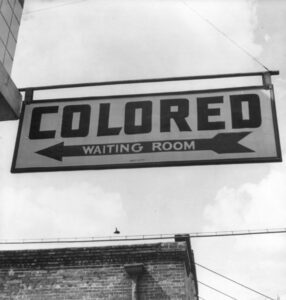
What kind of protest used sitting at segregated lunch counters?

Freedom Rides

Boycotts

Marches

Sit-ins

Points won
0
Correct score
0%

More Questions

More Articles

Top 10 Bizarre Facts About Ancient Rome

Top 10 Bizarre Facts About Ancient Rome

⏱️ 7 min read

Ancient Rome stands as one of history's most fascinating civilizations, renowned for its military prowess, architectural marvels, and lasting influence on Western culture. However, beneath the surface of marble statues and grand coliseums lies a treasure trove of peculiar customs, shocking practices, and downright bizarre traditions that would astonish modern observers. These lesser-known aspects of Roman life reveal a society far stranger and more complex than typically portrayed in history books.

Unusual Customs and Practices of the Roman Empire

1. Urine as a Valuable Commodity

In ancient Rome, urine was far from waste—it was a prized resource with economic value. The Romans collected urine in large public pots placed throughout the city, which was then sold to fullers (ancient launderers) who used it to clean and whiten togas. The ammonia in decomposed urine served as an effective cleaning agent and was also used in leather tanning. This industry proved so lucrative that Emperor Nero actually imposed a tax on urine collection, known as the "vectigal urinae." When his son complained about the disgusting nature of this tax, Emperor Vespasian allegedly held up a gold coin and remarked, "Pecunia non olet" (money doesn't smell), a phrase still used today.

2. The Vomitorium Misconception and Real Dining Debauchery

While popular culture suggests that Romans built special rooms called vomitoria where they would purge between courses at lavish banquets, this is actually a misunderstanding. Vomitoria were actually the passages in amphitheaters through which crowds would "spew forth" after events. However, Roman dining habits were genuinely excessive. Wealthy Romans would recline on couches during meals that could last up to ten hours, consuming exotic dishes like flamingo tongues, peacock brains, and dormice stuffed with pork. Some historians do suggest that induced vomiting occasionally occurred, though it was never institutionalized as commonly believed.

3. Purple-Wearing Prohibition for Commoners

The color purple held such prestige in ancient Rome that wearing it could result in execution for common citizens. Tyrian purple, extracted from thousands of murex sea snails, was extraordinarily expensive to produce—more valuable than gold by weight. This luxurious dye was reserved exclusively for emperors and high-ranking senators. Sumptuary laws strictly regulated who could wear purple, with the deepest shades reserved for the emperor alone. A single toga dyed in true Tyrian purple could cost more than the average Roman earned in a lifetime, making it the ultimate status symbol of imperial power.

4. Gladiator Blood as Medicine

Romans believed that gladiator blood possessed powerful medicinal properties, particularly for treating epilepsy. Spectators would rush into the arena after matches to collect the blood of fallen gladiators, which they would drink fresh or mix into tonics. This practice stemmed from the belief that the strength, courage, and vitality of these warriors could be transferred to those who consumed their blood. Even more disturbing, gladiator liver was considered a curative food, and some vendors sold gladiator sweat scraped from their bodies as a potent aphrodisiac.

5. The Bizarre Beauty Standards and Cosmetics

Roman beauty routines involved substances that would horrify modern dermatologists. Women applied lead-based face powder to achieve a fashionably pale complexion, despite its toxic properties that caused serious health problems and sometimes death. Crocodile excrement was used as an anti-aging face mask, while crushed ants were applied to achieve rosy cheeks. Romans also practiced full-body hair removal, considering body hair uncivilized, and would use razors, pumice stones, or even pitch plasters. Additionally, both men and women used burnt leeches mixed with vinegar as an early form of eyeliner.

6. Professional Mourners for Hire

Wealthy Roman families would hire professional mourners, known as "praeficae," to attend funerals and weep dramatically for the deceased. These performers would wail, tear their clothing, scratch their faces until they bled, and even pull out their hair to demonstrate grief. The more mourners and the more dramatic their performance, the greater the deceased's perceived importance. Musicians and dancers were also hired to accompany funeral processions, which could stretch for blocks and included actors wearing masks depicting the deceased's ancestors. This theatrical approach to death transformed funerals into elaborate public spectacles.

7. Leftover Bath Water for Different Social Classes

Roman public baths operated on a hierarchical system where the same water served multiple social classes throughout the day without being changed. The bathing order typically began with the highest-ranking citizens in the morning when the water was cleanest, followed by middle-class Romans in the afternoon. By evening, when the lower classes and slaves took their turn, the water was murky and filled with accumulated dirt, oils, and who knows what else. Despite this unhygienic practice, public baths remained central to Roman social life, serving as gathering places for business, gossip, and relaxation.

8. Emperor Elagabalus's Outrageous Pranks

Emperor Elagabalus, who ruled from 218 to 222 CE, was notorious for his bizarre and often cruel sense of humor. He would invite dinner guests to elaborate banquets and then release leopards, lions, and bears into the dining room—the animals were allegedly harmless, though guests didn't know this. He reportedly smothered some guests under massive piles of rose petals dropped from the ceiling, suffocating them. In another strange prank, he would provide guests with inedible items at dinner parties, serving each course in successively smaller portions, or seat them on whoopee cushions at formal events. His reign was considered so outrageous that he was assassinated at just eighteen years old.

9. Tooth Care with Human Urine Mouthwash

Romans were surprisingly concerned with dental hygiene, but their methods were questionable by modern standards. Portuguese urine was particularly prized as a mouthwash and tooth whitener, believed to be especially effective due to its high ammonia content. The poet Catullus even mocked a Spanish acquaintance for having such white teeth, suggesting he must have used excessive amounts of urine. Romans also brushed their teeth with powders made from crushed bones, oyster shells, and even powdered charcoal. While these practices seem revolting today, the ammonia in urine did actually have some antibacterial and whitening properties.

10. The Vestal Virgins' Extreme Consequences

The Vestal Virgins were priestesses who tended Rome's sacred flame and were required to maintain their chastity for thirty years of service. These women held significant power and privileges unusual for Roman females, including owning property and witnessing wills. However, the punishment for breaking their vow of celibacy was horrifying: they would be buried alive in an underground chamber with a small amount of food and water, then sealed inside to die slowly. The man involved would be publicly flogged to death. Conversely, if the sacred flame they guarded went out, the responsible Vestal would be stripped and beaten. Despite these severe penalties, being a Vestal Virgin was considered a great honor, and positions were highly competitive.

The Enduring Strangeness of Ancient Rome

These peculiar aspects of Roman civilization demonstrate that history's great societies were far more complex and strange than simplified narratives suggest. From the commodification of bodily fluids to deadly fashion restrictions and theatrical mourning customs, ancient Rome operated under a value system that can seem almost alien to modern sensibilities. Yet these bizarre practices existed alongside remarkable achievements in engineering, law, and governance that continue to influence the world today. Understanding these oddities provides a more complete picture of Roman life, reminding us that cultural norms are products of their time and that what seems normal in one era may appear utterly bizarre in another. The Romans' willingness to embrace practices we now find shocking reveals a society confident in its traditions, even when those traditions involved drinking gladiator blood or using urine as currency.

Did You Know? 10 TV Shows Based on True Stories

Did You Know? 10 TV Shows Based on True Stories

⏱️ 7 min read

Television has long drawn inspiration from real-life events, transforming extraordinary true stories into compelling entertainment that captivates millions of viewers. From gripping crime dramas to inspiring tales of survival, these shows offer audiences a window into actual events that shaped history, challenged society, or simply amazed the world. While creative liberties are often taken for dramatic effect, the foundation of these series remains rooted in reality, making them all the more fascinating to watch. Here are ten remarkable television shows that brought true stories to the small screen.

True Crime and Historical Dramas That Changed Television

1. The Crown's Royal Chronicles

Netflix's lavish historical drama chronicles the reign of Queen Elizabeth II, beginning with her wedding in 1947 and progressing through decades of British royal history. The series meticulously recreates major political events, personal scandals, and the evolution of the monarchy in the modern era. While conversations and private moments are fictionalized, the show draws heavily from historical records, biographies, and documented events. The production has been praised for its attention to period detail, from recreating Buckingham Palace interiors to accurately depicting significant moments like the Aberfan disaster and Princess Diana's entry into royal life. Each season corresponds to a different era, with cast changes reflecting the aging of the royal family.

2. Narcos and the Colombian Drug Trade

This gritty crime drama chronicles the real-life rise and fall of cocaine kingpin Pablo Escobar and the Medellín Cartel. The series draws extensively from DEA files, journalistic accounts, and interviews with actual agents who pursued Escobar during the 1980s and early 1990s. The show features actual documentary footage interspersed with dramatized scenes, creating a hybrid format that grounds the narrative in historical reality. Beyond Escobar, later seasons explored the Cali Cartel and Mexican drug trafficking operations, all based on documented events and real individuals who shaped the international drug trade.

3. When They See Us and the Central Park Five

Ava DuVernay's powerful miniseries tells the harrowing true story of five teenagers wrongfully convicted in the 1989 Central Park jogger case. The four-part series chronicles the coerced confessions, flawed trial, years of imprisonment, and eventual exoneration of Kevin Richardson, Antron McCray, Yusef Salaam, Korey Wise, and Raymond Santana. DuVernay worked closely with the actual exonerees, incorporating their experiences and perspectives into the narrative. The series sparked renewed public discussion about racial injustice in the American legal system and led to the men receiving a standing ovation at the 2019 Emmy Awards.

Stories of Survival and Triumph

4. Chernobyl's Nuclear Disaster

HBO's critically acclaimed miniseries depicts the 1986 Chernobyl nuclear disaster in the Soviet Union and the subsequent cleanup efforts. The show meticulously recreates the catastrophic events of April 26, 1986, when Reactor Number Four exploded at the Vladimir Lenin Nuclear Power Plant. Drawing from survivor testimonies, scientific reports, and declassified documents, the series portrays the heroism of first responders, the political cover-up attempts, and the devastating human cost of the world's worst nuclear accident. While some characters are composites and certain timelines were compressed for dramatic purposes, the series remains remarkably faithful to the historical record.

5. Band of Brothers and World War II Heroes

Steven Spielberg and Tom Hanks produced this epic miniseries based on historian Stephen Ambrose's non-fiction book about Easy Company, 506th Regiment of the 101st Airborne Division. The ten-part series follows these paratroopers from their training through D-Day, the Battle of the Bulge, and ultimately to Hitler's Eagle's Nest. Each episode was informed by extensive interviews with surviving veterans, whose firsthand accounts provided intimate details about combat experiences, camaraderie, and the psychological toll of war. The series featured actual veterans in brief interviews at the beginning of each episode, though their identities weren't revealed until the finale.

6. Unbelievable and a Serial Rapist Investigation

This Netflix miniseries recounts the true story of a serial rapist's crimes across Washington and Colorado, and the two female detectives who brought him to justice. Based on a Pulitzer Prize-winning article titled "An Unbelievable Story of Rape," the series examines how an 18-year-old victim was initially disbelieved by investigators and charged with making a false report, only for her account to be vindicated years later. The show highlights systemic failures in how sexual assault cases are handled while celebrating the meticulous detective work that ultimately solved the case and connected multiple crimes.

Political Intrigue and Corporate Scandals

7. The Dropout's Silicon Valley Scandal

Starring Amanda Seyfried, this Hulu series chronicles the rise and fall of Elizabeth Holmes and her blood-testing company Theranos. The show depicts how Holmes dropped out of Stanford at 19 to build a company she claimed would revolutionize healthcare, eventually achieving a $9 billion valuation before the technology was exposed as fraudulent. Based on ABC News podcast reporting and extensive documentation from the subsequent investigation and trial, the series explores Holmes's cultivation of powerful board members, her relationship with business partner Ramesh "Sunny" Balwani, and the whistleblowers who revealed the truth.

8. Mindhunter and the FBI's Behavioral Science Unit

Set in the late 1970s and early 1980s, this Netflix series dramatizes the early days of criminal profiling at the FBI. Based on the true-crime book "Mindhunter: Inside the FBI's Elite Serial Crime Unit" by John E. Douglas and Mark Olshaker, the show follows FBI agents Holden Ford and Bill Tench (based on real agents John Douglas and Robert Ressler) as they interview imprisoned serial killers to understand their psychology. The series features chilling portrayals of actual murderers including Edmund Kemper, Richard Speck, and David Berkowitz, with dialogue often drawn directly from recorded interviews.

9. Escape at Dannemora's Prison Break

Ben Stiller directed this seven-part miniseries about the 2015 Clinton Correctional Facility escape in upstate New York. The show details how convicted murderers Richard Matt and David Sweat befriended prison employee Joyce "Tilly" Mitchell, who smuggled them tools that enabled their elaborate escape through the prison's walls and tunnels. The series was based on extensive reporting about the incident, including interviews with investigators and detailed accounts of the three-week manhunt that followed. The real-life events were so extraordinary that minimal dramatization was needed to create compelling television.

10. The People v. O.J. Simpson's Trial of the Century

The first season of "American Crime Story" meticulously recreated the 1995 murder trial of football legend O.J. Simpson. Based on Jeffrey Toobin's book "The Run of His Life," the series examined the investigation, arrest, and trial from multiple perspectives, including the prosecution team, defense attorneys, and the Simpson and Goldman families. The show incorporated actual evidence photos, courtroom testimony, and media coverage while exploring the racial tensions and celebrity culture that made the trial a cultural watershed moment. The series won numerous awards for its balanced portrayal of the complex legal and social issues at play.

Why True Stories Resonate on Television

These ten television shows demonstrate the enduring power of true stories to educate, provoke thought, and entertain audiences. By grounding narratives in actual events, these series carry additional weight and authenticity that purely fictional shows often cannot match. They serve as cultural documents, preserving important moments in history while making them accessible to new generations. Whether exposing injustice, celebrating heroism, or examining human nature under extraordinary circumstances, these true-story adaptations remind viewers that reality can be just as compelling—and sometimes more unbelievable—than fiction. As television continues to evolve, the appetite for well-crafted true stories shows no signs of diminishing, ensuring that real-life events will continue inspiring some of the medium's most memorable programming.