
⏱️ 7 min read
The magic of cinema has always relied heavily on the art of illusion, and special effects have been the backbone of bringing impossible worlds and fantastical stories to life. From the earliest days of silent films to today’s cutting-edge digital spectacles, special effects have continuously evolved, pushing the boundaries of what audiences believe is possible on screen. These behind-the-scenes techniques have transformed filmmaking into a sophisticated blend of art, science, and technical innovation.
The Evolution and Techniques of Movie Special Effects
1. Georges Méliès Pioneered Film Tricks in 1902
French filmmaker Georges Méliès created the first special effects by accident when his camera jammed during filming. He discovered that stopping and starting the camera could make objects appear and disappear. His groundbreaking film “A Trip to the Moon” featured hand-painted frames, double exposures, and miniature models, establishing the foundation for all future special effects work.
2. Miniatures Created Epic Disasters Before CGI
Before computer-generated imagery, filmmakers relied on detailed miniature models to create disaster scenes. Movies like “The Towering Inferno” and “Earthquake” used intricate scale models that were meticulously destroyed on camera. Some miniatures were so large and detailed they cost hundreds of thousands of dollars and took months to construct.
3. Stop-Motion Animation Brought Monsters to Life
Ray Harryhausen perfected stop-motion animation, a painstaking technique requiring animators to photograph models frame by frame while making tiny adjustments between each shot. His work on films like “Jason and the Argonauts” and “Clash of the Titans” created believable creatures that interacted seamlessly with live actors, with some sequences taking weeks to complete just minutes of screen time.
4. The First CGI Character Appeared in 1985
The stained-glass knight in “Young Sherlock Holmes” became the first fully computer-generated character in a feature film. This groundbreaking moment required primitive computers by today’s standards and took months of programming to create just seconds of footage, marking the beginning of the digital revolution in special effects.
5. Jurassic Park Changed Everything in 1993
Steven Spielberg’s “Jurassic Park” revolutionized the industry by combining practical animatronics with computer-generated dinosaurs. The seamless integration convinced audiences that CGI could create photorealistic creatures, leading studios to invest billions in digital effects technology and forever changing how movies were made.
6. Matte Paintings Extended Sets for Decades
Before digital technology, artists created detailed paintings on glass that were positioned in front of cameras to extend physical sets. This technique allowed filmmakers to create massive castles, futuristic cities, and elaborate landscapes on modest budgets. Classic films like “The Wizard of Oz” and “Star Wars” extensively used matte paintings to create their iconic worlds.
7. Practical Blood Effects Use Surprising Ingredients
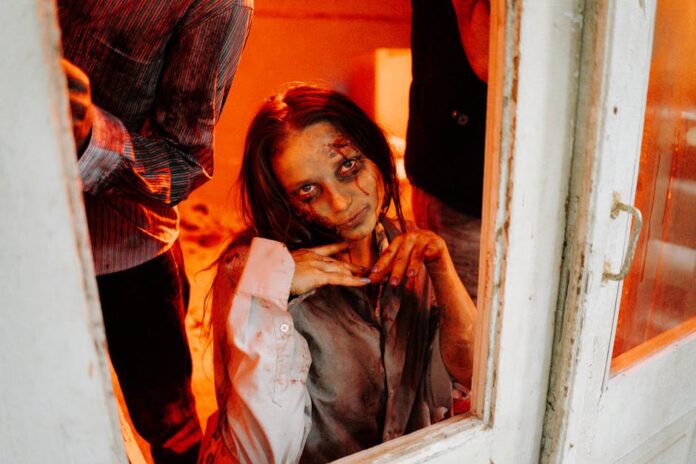
Movie blood is typically made from corn syrup, food coloring, and various other kitchen ingredients. Different formulas exist for different needs: some blood needs to flow smoothly, others need to splatter convincingly, and some must be safe for actors to have in their mouths. Each film often develops its own proprietary blood recipe.
8. Wire Work Requires Extensive Digital Cleanup
When actors perform stunts on wires, post-production teams must digitally remove every wire from every frame. This tedious process can take hundreds of hours for a single action sequence. Modern motion capture technology sometimes replaces wire work, but traditional wire stunts remain popular for their authentic physics and movement.
9. Weather Effects Are Carefully Controlled on Set
Rain machines, wind generators, and snow makers allow filmmakers to create any weather condition on demand. Artificial rain must be backlit to appear visible on camera and is often mixed with milk to make it more reflective. Movie snow is typically made from paper, foam, or biodegradable materials rather than actual ice.
10. Forced Perspective Makes Actors Different Sizes
“The Lord of the Rings” trilogy extensively used forced perspective to make hobbits appear smaller than humans. By placing actors at different distances from the camera and using precisely calculated set pieces, filmmakers created the illusion of height differences without digital effects, requiring actors to hit exact marks and maintain specific positions.
11. Bullet Hits Use Controlled Explosive Squibs
When characters get shot in movies, small explosive devices called squibs are attached under costumes with fake blood packets. These remotely detonated charges create the appearance of bullet impacts. Safety regulations require extensive protocols, and digital bullet hits increasingly replace practical squibs to reduce risk to actors.
12. Motion Capture Technology Records Real Performances
Actors wearing suits covered in reflective markers perform in specially designed volumes filled with cameras that track their movements. This data creates digital skeletons that animators use to create realistic CGI characters. Gollum from “The Lord of the Rings” and the Na’vi from “Avatar” were created using this technology, preserving the nuances of actor performances.
13. Explosions Are Carefully Choreographed Chemistry
Movie explosions use precise combinations of gasoline, propane, and other flammable materials to create specific visual effects. Special effects coordinators calculate blast radiuses, fireball sizes, and shock wave strengths. Multiple cameras shoot at high frame rates to capture every detail, as explosions typically happen only once due to cost and set destruction.
14. Green Screens Weren’t Always Green
Blue screens dominated film effects for decades before green became standard. Green screens became preferred because digital cameras are more sensitive to green, and fewer costumes and props contain bright green compared to blue. However, productions sometimes use blue screens when characters have green elements, or even pink and orange screens in specific situations.
15. Makeup Effects Can Take Eight Hours to Apply
Complex prosthetic makeup applications require actors to sit in chairs for extraordinary lengths of time. The Penguin makeup in recent Batman films required approximately four hours, while movies like “Planet of the Apes” had actors arriving in the early morning hours for full-body applications before shooting could begin.
16. Digital Aging and De-Aging Cost Millions
Making actors appear younger or older through digital effects requires extensive reference footage and sophisticated software. The de-aging technology used in films like “The Irishman” analyzes decades of an actor’s previous performances to create believable transformations, with some estimates suggesting effects costs exceeding $100,000 per minute of de-aged footage.
17. Stunt Doubles Often Have Their Faces Replaced
When stunt performers execute dangerous sequences, post-production teams frequently digitally replace their faces with the actors’ faces. This process requires detailed facial scans of both the actor and stunt double, along with frame-by-frame tracking and adjustment to ensure lighting and shadows match perfectly.
18. Sound Effects Are Rarely What They Seem
While technically audio rather than visual effects, Foley artists create movie sounds using unexpected objects. Punches are often created by hitting watermelons or steaks, lightsabers combine the hum of old projectors with television interference, and dinosaur roars mix whale songs with elephant calls. These creative choices shape how audiences perceive on-screen action.
19. Virtual Production Uses Real-Time Game Engines
Revolutionary LED volume stages, popularized by “The Mandalorian,” display computer-generated environments on massive screens surrounding actors. This technology allows actors to see their environments, provides realistic lighting, and enables directors to change locations instantly. This technique combines practical and digital filmmaking in unprecedented ways.
20. Safety Regulations Have Transformed Effects Work
Tragic accidents throughout film history led to strict safety protocols governing special effects. After incidents involving helicopter crashes and stunt mishaps, insurance requirements, union regulations, and industry standards now mandate extensive safety measures. Many dangerous practical effects have been replaced by digital alternatives, prioritizing crew and actor safety while maintaining visual spectacle.
The Continuing Innovation of Movie Magic
Special effects remain at the forefront of cinematic innovation, constantly evolving to serve storytelling in new and exciting ways. From the hand-cranked cameras of early cinema to today’s virtual production stages, the fundamental goal remains unchanged: creating believable illusions that transport audiences to extraordinary worlds. As technology advances, the line between practical and digital effects continues to blur, with modern filmmakers often combining techniques in ways that would have seemed impossible just years ago. Understanding these techniques reveals the incredible artistry, technical skill, and creative problem-solving that occurs behind every movie magic moment, reminding us that cinema’s greatest illusion is making the impossible appear effortlessly real.