












1 / 20 Questions
0 Points

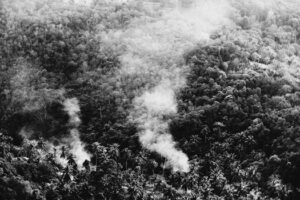
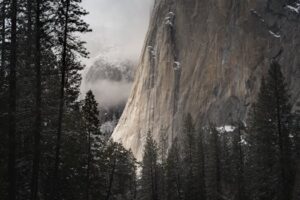
Which forest type covers most of Earth’s land surface?

Tropical rainforest

Boreal forest

Temperate forest

Mangrove forest

Points won
0
Correct score
0%

More Questions

More Articles

Did You Know Queen’s “Bohemian Rhapsody” Was Nearly Cut from Radio?

Did You Know Queen’s “Bohemian Rhapsody” Was Nearly Cut from Radio?

⏱️ 5 min read

In the pantheon of rock music, few songs have achieved the legendary status of Queen's "Bohemian Rhapsody." Yet this six-minute opus—widely regarded as one of the greatest songs ever recorded—faced serious doubts about its commercial viability and nearly never made it to radio airwaves. The story of how this unconventional masterpiece overcame industry skepticism to become a cultural phenomenon offers fascinating insights into music history and the evolving relationship between artistic vision and commercial constraints.

The Audacious Vision Behind the Song

When Freddie Mercury presented "Bohemian Rhapsody" to his bandmates in 1975, he brought with him an ambitious composition that defied every convention of contemporary pop music. The song seamlessly wove together ballad, opera, and hard rock sections into a single, continuous piece lasting nearly six minutes—more than double the length of typical radio singles at the time. Mercury had conceived much of the song's structure beforehand, arriving at rehearsals with detailed plans for the operatic section, complete with its now-iconic references to Scaramouche, Galileo, and Beelzebub.

The recording process itself was groundbreaking and painstaking. Queen spent three weeks at six different studios working on the track, with the operatic section alone requiring approximately 180 separate overdubs. The band pushed the technical limits of 24-track analog tape, layering so many vocal harmonies that the tape became nearly transparent from being wound and rewound so many times during the mixing process.

The Radio Industry's Resistance

Once "Bohemian Rhapsody" was completed, Queen and their management faced a significant obstacle: convincing radio stations to play it. The music industry in the mid-1970s operated under strict formatting rules, with radio programmers adhering to the belief that singles should be approximately three minutes long to maintain listener attention and maximize advertising opportunities. Songs exceeding four minutes were considered commercial suicide, routinely edited down or rejected entirely.

Record executives at EMI, Queen's label, were deeply concerned about the song's length and unconventional structure. They worried that radio stations would refuse to play it, which would doom its commercial prospects. The prevailing wisdom suggested that listeners would lose interest or change stations during the operatic section, making the song unsuitable for mainstream radio. Some executives even suggested releasing an edited version, cutting the song down to a more "acceptable" length.

The Kenny Everett Factor

The song's breakthrough came through an unexpected channel: DJ Kenny Everett, a friend of the band and a popular radio personality in the United Kingdom. Before the official release, Freddie Mercury gave Everett a copy of the album "A Night at the Opera" with strict instructions not to play "Bohemian Rhapsody" on air. Whether this was genuine concern or reverse psychology remains debated, but Everett's response was predictable for someone known for his rebellious streak.

Everett began playing "Bohemian Rhapsody" on his show—reportedly up to fourteen times over a single weekend. He would tease listeners about the "exclusive" track he possessed, building anticipation and curiosity. The switchboard at Capital Radio lit up with calls from listeners demanding to know where they could buy the record. This grassroots enthusiasm created undeniable evidence of public demand that record executives and radio programmers could not ignore.

Breaking Down Broadcasting Barriers

The overwhelming response to Everett's broadcasts forced a reassessment of the conventional wisdom about song length and radio play. When "Bohemian Rhapsody" was officially released as a single on October 31, 1975, radio stations had little choice but to play the song in its entirety. Listeners had already heard the full version and were specifically requesting it.

The gamble paid off spectacularly. "Bohemian Rhapsody" reached number one on the UK Singles Chart, where it remained for nine weeks—a remarkable achievement for any song, let alone one that defied industry norms. The song's success demonstrated that audiences were more sophisticated and open-minded than industry gatekeepers had assumed, willing to embrace complexity and experimentation if the artistry was compelling enough.

Legacy and Long-Term Impact

The success of "Bohemian Rhapsody" permanently altered assumptions about what could work on commercial radio. While the three-minute single remained the industry standard, the song proved that exceptional material could transcend arbitrary time constraints. It opened doors for other artists to experiment with longer, more complex compositions without automatically sacrificing commercial viability.

The song's influence extended beyond radio formatting. Its innovative music video, created to promote the single on shows like "Top of the Pops," is considered one of the first true music videos and helped establish the format that would later dominate MTV. The production techniques Queen employed in recording the track influenced countless artists and producers in subsequent decades.

Enduring Cultural Phenomenon

Decades after its release, "Bohemian Rhapsody" continues to defy expectations. It returned to the charts in 1991 following Freddie Mercury's death and again in 1992 after appearing in the film "Wayne's World." The 2018 biographical film "Bohemian Rhapsody" introduced the song to yet another generation, demonstrating its timeless appeal. According to various metrics, it ranks among the most-streamed songs from the 20th century, a testament to its enduring popularity across multiple technological eras.

The near-rejection of "Bohemian Rhapsody" by radio programmers serves as a reminder of how close the world came to missing out on one of rock music's defining achievements. It underscores the importance of artistic conviction and the occasional necessity of challenging established industry practices. Had Queen capitulated to pressure to edit or abandon the song, music history would have been significantly poorer, and countless artists who drew inspiration from its success might never have taken similar creative risks.

Top 10 Cool Facts About Natural Disasters

Top 10 Cool Facts About Natural Disasters

⏱️ 7 min read

Natural disasters have shaped our planet for millions of years, demonstrating the raw power of Earth's dynamic systems. While these events can be devastating, they also reveal fascinating scientific phenomena that continue to captivate researchers and expand our understanding of the natural world. From the depths of the ocean to the highest reaches of the atmosphere, these extraordinary events showcase nature's incredible force and complexity.

Remarkable Insights Into Earth's Most Powerful Events

1. Earthquakes Can Make Days Shorter

The 2011 earthquake that struck Japan was so powerful that it actually altered Earth's rotation. This magnitude 9.0 earthquake redistributed the planet's mass, causing Earth to spin slightly faster on its axis. Scientists calculated that this event shortened each day by approximately 1.8 microseconds. While this change is imperceptible in daily life, it demonstrates the tremendous energy released during major seismic events. The earthquake also shifted Earth's axis by about 10 centimeters, permanently changing the planet's balance. Similar effects have been observed with other massive earthquakes, including the 2004 Indian Ocean earthquake and the 2010 Chile earthquake.

2. Lightning Strikes Create Glass Sculptures Underground

When lightning strikes sandy soil, the intense heat—reaching temperatures of 30,000 degrees Celsius—fuses sand particles together, creating hollow, glass-like tubes called fulgurites. These natural formations can extend several meters underground, following the path of the electrical discharge. Fulgurites preserve the exact route taken by lightning as it traveled through the earth, creating unique geological specimens that scientists study to understand lightning behavior. Some fulgurites have been found measuring over 15 feet in length, and their intricate branching patterns mirror the appearance of lightning bolts themselves. These formations are considered rare treasures among collectors and provide valuable data about historical lightning strikes.

3. Hurricanes Release More Energy Than Nuclear Weapons

A single hurricane releases energy equivalent to detonating a 10-megaton nuclear bomb every 20 minutes. Over its lifespan, a hurricane can release as much energy as half a million atomic bombs. However, only about 1% of this energy manifests as wind; the majority is released through cloud formation and rainfall. The National Oceanic and Atmospheric Administration estimates that the heat energy released during cloud and rain formation in a hurricane equals approximately 200 times the world's total electrical generating capacity. This staggering power output explains why hurricanes can maintain their intensity for days or even weeks, traveling thousands of miles across ocean waters while affecting vast geographical areas.

4. Volcanic Lightning Produces Rare Weather Phenomena

During volcanic eruptions, a spectacular phenomenon called "dirty thunderstorms" can occur within the ash plumes. This volcanic lightning happens when rock fragments, ash, and ice particles collide within the eruption column, generating static electricity. The electrical charges separate, and when the charge difference becomes large enough, lightning bolts form within the volcanic cloud. These lightning strikes can be more frequent and intense than regular thunderstorms, with some eruptions producing hundreds of lightning bolts per hour. The 2010 eruption of Iceland's Eyjafjallajökull volcano showcased this phenomenon brilliantly, with photographers capturing stunning images of lightning illuminating the ash cloud.

5. Tsunamis Travel at Jet Speed Across Ocean Depths

In deep ocean waters, tsunamis can travel at speeds exceeding 500 miles per hour—comparable to commercial jet aircraft. At these speeds, a tsunami can cross the entire Pacific Ocean in less than a day. Despite their incredible velocity, tsunamis remain nearly undetectable in the open ocean, with wave heights of only a few feet. The danger emerges when these waves approach shallow coastal waters, where they slow down dramatically but increase in height, sometimes reaching over 100 feet. This transformation occurs because the wave's energy, distributed throughout the water column in deep ocean, becomes compressed as the seafloor rises, forcing the water upward into massive walls.

6. Tornadoes Can Drive Straw Through Tree Trunks

The extreme wind speeds in tornadoes create such powerful forces that seemingly soft objects become deadly projectiles. Documented cases exist of pieces of straw being driven completely through solid tree trunks and wooden planks during tornado events. This occurs not because the straw becomes harder, but because the tornado's winds accelerate debris to such high velocities that softer materials can penetrate solid objects before they have time to bend or break. Wind speeds in the strongest tornadoes can exceed 300 miles per hour, generating forces that defy normal expectations of material behavior and creating scenes that appear physically impossible under ordinary circumstances.

7. Avalanches Create Powerful Air Blasts

Large avalanches generate a preceding air blast called an "avalanche wind" that can be as destructive as the snow itself. This phenomenon occurs when the rapidly moving snow mass compresses air ahead of it, creating a powerful shock wave traveling at speeds up to 300 kilometers per hour. These air blasts can destroy buildings and forests before the actual avalanche arrives, snapping mature trees and demolishing structures hundreds of meters from the avalanche path. The pressure wave can be strong enough to cause internal injuries to people caught in its path, even if they're never touched by snow. This makes avalanches dangerous over a much wider area than the visible snow path suggests.

8. Droughts Can Cause Land to Sink Permanently

Prolonged droughts lead to a phenomenon called land subsidence, where the ground literally sinks as underground water reserves are depleted. When aquifers lose water, the soil and rock above can compact and collapse into the empty spaces. California's San Joaquin Valley has sunk up to 28 feet in some areas due to groundwater extraction during drought periods. This subsidence is often permanent because the geological formations, once compressed, cannot re-expand even when water returns. The sinking land creates numerous problems including damaged infrastructure, altered drainage patterns, increased flood risk, and reduced aquifer storage capacity for future water needs.

9. Wildfires Generate Their Own Weather Systems

Intense wildfires can create their own weather patterns, including fire tornadoes, pyrocumulus clouds, and even thunderstorms. The extreme heat from large fires creates powerful updrafts that lift smoke, ash, and moisture high into the atmosphere, forming towering clouds that resemble thunderstorms. These fire-generated clouds can produce lightning, which may spark additional fires miles away from the original blaze. Fire tornadoes, or "fire whirls," form when rising heat and turbulent wind conditions combine, creating rotating columns of fire that can reach temperatures of 2,000 degrees Fahrenheit and wind speeds over 100 miles per hour. These phenomena make large wildfires particularly unpredictable and dangerous for firefighters.

10. Floods Can Carry Massive Boulders Miles Away

Flash floods possess sufficient hydraulic force to transport enormous boulders weighing several tons across considerable distances. The water's power comes not just from its volume but from its velocity and turbulence. During catastrophic floods, water moving at high speed creates forces capable of dislodging, rolling, and carrying rocks that would seem immovable under normal conditions. Geologists have documented cases where boulders exceeding 10 feet in diameter were transported over a mile from their original locations. This erosive and transportive power explains how floods have carved dramatic landscapes throughout Earth's history, including features like slot canyons and deep gorges, demonstrating water's role as one of nature's most powerful sculpting forces.

Understanding Nature's Extreme Power

These fascinating facts illustrate the extraordinary forces at work during natural disasters and the complex scientific principles underlying these events. From earthquakes that alter planetary rotation to floods that reshape entire landscapes, natural disasters demonstrate the dynamic and powerful processes that continue to shape our world. Understanding these phenomena not only satisfies scientific curiosity but also helps communities prepare for and respond to these inevitable natural events, ultimately saving lives and reducing damage when disaster strikes.