









⏱️ 7 min read
The Vikings have captured our imagination for centuries, often portrayed as fearsome warriors in horned helmets sailing across stormy seas. However, the reality of Viking culture was far more complex and fascinating than popular media suggests. These Norse seafarers left an indelible mark on European history between the 8th and 11th centuries, contributing not just as raiders but as explorers, traders, and settlers. Let's explore some surprising and lesser-known aspects of Viking life that reveal the sophistication and diversity of their civilization.
Fascinating Truths About Norse Culture and History
1. Vikings Never Wore Horned Helmets
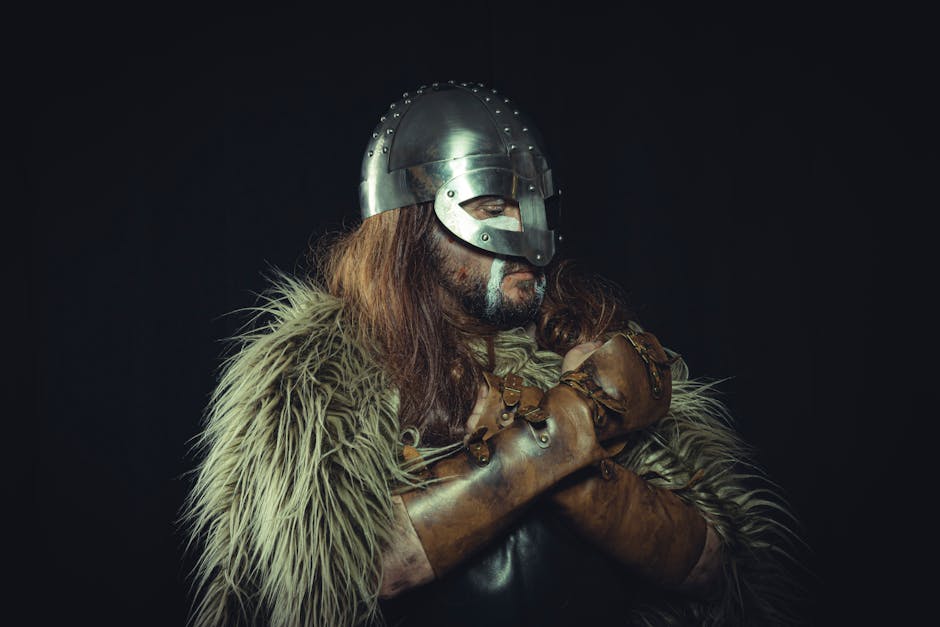
Perhaps the most persistent myth about Vikings is their iconic horned helmet, but archaeological evidence shows this is completely false. Not a single Viking helmet with horns has ever been discovered. This misconception originated in the 19th century when Scandinavian artists and costume designers romanticized Viking imagery for theatrical productions and nationalist movements. The few Viking helmets that have been found, such as the Gjermundbu helmet from Norway, were simple rounded or conical designs made from iron. Practical warriors would never have worn horned helmets, as they would be heavy, impractical in combat, and provide an easy grip for enemies to grab during battle.
2. Exceptional Personal Hygiene Standards
Contrary to the dirty, uncivilized image often portrayed in movies, Vikings were actually remarkably clean by medieval standards. Archaeological excavations have uncovered numerous grooming tools including tweezers, razors, combs, and ear cleaners. Historical records from England noted that Scandinavian men were particularly attractive to English women because they bathed weekly—an extraordinary habit for the time when most Europeans bathed only a few times per year. Vikings even had a dedicated day for bathing: Saturday, which in Old Norse was called "laugardagur," meaning "washing day." They also used a strong soap made from animal fat and wood ash, and combed their beards and hair regularly to maintain their appearance.
3. Women Enjoyed Remarkable Rights and Independence
Viking women had significantly more rights and autonomy than their European contemporaries. They could own property, request divorces, and reclaim their dowries if marriages ended. Women managed household finances and farms when their husbands were away on trading expeditions or raids. Some women even became successful traders and merchants in their own right. Archaeological evidence, including the discovery of a Viking warrior burial in Birka, Sweden, initially assumed to be male but later proven to contain a female skeleton surrounded by military equipment, suggests some women may have even served as warriors. Women could also inherit property and had the right to refuse marriage proposals, privileges that European women wouldn't gain for centuries.
4. Masters of Advanced Navigation Technology
The Vikings' ability to navigate across vast oceans without compasses remains one of their most impressive achievements. They used sophisticated techniques including the sun compass, which tracked the sun's shadow throughout the day, and possibly a "sunstone" (likely a type of crystal such as Iceland spar) that could locate the sun's position even through clouds by polarizing light. Vikings studied bird migration patterns, ocean currents, water color changes, and whale movements to guide their journeys. They maintained detailed mental maps passed down through oral traditions, describing landmarks, sailing times, and navigational hazards. This expertise enabled them to reach Iceland, Greenland, and eventually North America—approximately 500 years before Columbus.
5. They Reached North America Five Centuries Before Columbus
Vikings established settlements in North America around 1000 CE, making them the first Europeans to reach the continent. Led by Leif Erikson, they created a settlement at L'Anse aux Meadows in present-day Newfoundland, Canada. Norse sagas describe a land they called "Vinland," rich with resources including timber and grapes. While the settlement was eventually abandoned, likely due to conflicts with indigenous peoples and the difficulty of maintaining supply lines, archaeological evidence definitively proves Viking presence in North America. This achievement demonstrates their extraordinary seamanship and courage in crossing the treacherous North Atlantic in open wooden ships.
6. Democratic Thing Assemblies Governed Society
Viking society operated under a surprisingly democratic system called the "Thing" or "Althing," an assembly where free men gathered to settle disputes, make laws, and reach collective decisions. Iceland's Althing, established in 930 CE, is considered one of the world's oldest surviving parliaments. These assemblies functioned without a king or single ruler, and decisions were reached through discussion and consensus. Any free man could present a case, and complex legal codes governed everything from property disputes to murder charges. This system represented a sophisticated form of governance that valued debate and collective decision-making, challenging the notion of Vikings as lawless barbarians.
7. Extensive Trade Networks Spanning Three Continents
While raids capture most historical attention, Vikings were primarily traders who established commerce networks stretching from North America to Central Asia. They traded furs, walrus ivory, amber, and slaves in exchange for silver, silk, spices, and wine. Viking merchants traveled down Russian rivers to reach Constantinople and Baghdad, with Arabic silver coins frequently found in Scandinavian archaeological sites. They founded major trading cities including Dublin, York, and Kiev. The Vikings' economic impact often exceeded their military exploits, as they facilitated cultural and commercial exchange between distant civilizations and helped establish trade routes that would remain important for centuries.
8. Advanced Shipbuilding Revolutionized Maritime Travel
Viking longships represented revolutionary maritime engineering that gave them unmatched versatility. These vessels featured a shallow draft allowing navigation in both deep oceans and shallow rivers, making surprise raids possible far inland. The clinker-built hull design, where overlapping planks were riveted together, created flexible yet strong ships that could withstand rough seas. Ships could be sailed or rowed, and their symmetrical design allowed them to reverse direction without turning around. Different ship types served specific purposes: the sleek drakkar for warfare, the wider knarr for cargo transport, and smaller vessels for coastal fishing. This shipbuilding expertise was so advanced that modern boat builders still study Viking techniques.
9. They Founded Major European Cities
Many prominent European cities owe their origins to Viking settlement and trade. Dublin, Ireland's capital, began as a Viking settlement in 841 CE, serving as a crucial base for Norse operations in Ireland. The Vikings transformed York into Jorvik, a thriving commercial center and capital of Viking England. They established trading posts that became Russian cities including Novgorod and Kiev, with the very name "Russia" possibly deriving from "Rus," referring to Viking traders. In Normandy, France, Viking settlers integrated with local populations, and their descendants would later conquer England in 1066. These urban foundations demonstrate Vikings' role as city builders and colonizers, not merely raiders.
10. Rich Literary and Artistic Cultural Heritage
Vikings possessed a sophisticated oral tradition that eventually produced some of the world's greatest medieval literature. The Icelandic sagas, written down in the 13th century, preserved centuries of history, mythology, and adventure tales with remarkable literary quality. Poets called skalds composed complex verses using intricate meters and kennings—metaphorical compound expressions like "whale-road" for the sea. Vikings carved elaborate runes not just for communication but for commemorative monuments, and their visual arts displayed intricate patterns and designs seen in jewelry, ship carvings, and weapons. The Prose Edda and Poetic Edda preserved Norse mythology that continues to influence modern literature, comics, and films. This cultural sophistication reveals a society that valued storytelling, artistry, and intellectual achievement.
Conclusion
The Vikings were far more than the one-dimensional raiders of popular imagination. They were innovative shipbuilders, intrepid explorers, savvy traders, and sophisticated society members with advanced legal systems and surprising personal habits. From their democratic assemblies to their remarkable hygiene standards, from reaching North America centuries before other Europeans to founding cities that remain major urban centers today, Vikings shaped medieval Europe in profound ways. Their legacy extends beyond violence and conquest to include significant contributions to navigation, trade, literature, and governance. Understanding these facts helps us appreciate the complexity of Viking culture and recognize their multifaceted influence on the development of European and world history. The Norse seafarers were a people of contradictions—both warriors and poets, raiders and traders, destroyers and city builders—whose true story is far more fascinating than any myth.