
⏱️ 7 min read
Ancient Egypt remains one of the most fascinating civilizations in human history, captivating scholars and enthusiasts alike with its remarkable achievements, mysterious practices, and enduring legacy. From the banks of the Nile River emerged a culture that would influence the world for thousands of years, leaving behind monuments, traditions, and innovations that continue to amaze us today. This exploration delves into some of the most intriguing aspects of ancient Egyptian society that reveal just how advanced, complex, and surprisingly relatable this ancient civilization truly was.
Fascinating Discoveries About Ancient Egyptian Life
1. Egyptians Invented One of the Earliest Forms of Toothpaste
Personal hygiene was remarkably important to ancient Egyptians, and they took dental care seriously enough to create their own toothpaste formula around 5000 BCE. This early dental product was a powder mixture containing crushed rock salt, mint, dried iris flowers, and pepper. While certainly abrasive by modern standards, this invention demonstrates the Egyptians’ concern for oral health and cleanliness. They applied this powder using frayed twigs as makeshift toothbrushes, showing an impressive understanding of preventive dental care millennia before modern dentistry emerged.
2. Both Men and Women Wore Elaborate Makeup
Makeup in ancient Egypt transcended gender boundaries and served purposes beyond mere vanity. Both men and women lined their eyes with thick black kohl made from ground minerals like malachite and galena. This dramatic eye makeup wasn’t just fashionable—it served practical purposes including reducing sun glare and protecting against eye infections. The Egyptians believed that wearing eye makeup also provided magical protection and honored the gods Horus and Ra. Green and black pigments were carefully prepared and stored in decorative containers, making cosmetics an essential part of daily life across all social classes.
3. Workers Went on Strike for Better Conditions
In one of the earliest recorded labor strikes in history, workers building the royal necropolis at Deir el-Medina stopped work in the 29th year of Ramesses III’s reign, around 1152 BCE. These skilled artisans and laborers protested because their monthly grain rations—their wages—had not been delivered on time. They organized a sit-in at a nearby temple, demonstrating remarkable solidarity and understanding of collective bargaining. This historical event reveals that ancient Egyptian workers had rights and weren’t afraid to assert them, challenging the common misconception that all pyramid and tomb builders were slaves.
4. Ancient Egyptians Loved Board Games
Entertainment played a significant role in Egyptian culture, with board games being particularly popular across all social classes. The most famous game was Senet, a strategy game involving moves based on throwing sticks or bones as dice. Game boards have been found in tombs ranging from pharaohs to common people, and even King Tutankhamun was buried with several Senet sets. The game held such cultural importance that it took on religious significance, with some believing it represented the journey of the soul through the afterlife. Another popular game was Mehen, played on a circular board shaped like a coiled snake.
5. Cleopatra Was Not Actually Egyptian by Ethnicity
Perhaps one of the most surprising facts is that Cleopatra VII, Egypt’s most famous queen, was actually of Greek Macedonian descent. She belonged to the Ptolemaic dynasty, which began with Ptolemy I, one of Alexander the Great’s generals who took control of Egypt after Alexander’s death in 323 BCE. Despite her heritage, Cleopatra was the first Ptolemaic ruler to actually learn and speak Egyptian, demonstrating her commitment to the kingdom she ruled. She reigned from 51 to 30 BCE, and her intelligence, political acumen, and linguistic abilities were just as notable as her legendary beauty.
6. Cats Were Sacred and Legally Protected
The ancient Egyptians’ reverence for cats went far beyond simple pet ownership. Cats were associated with the goddess Bastet and were considered sacred animals deserving of protection and respect. Killing a cat, even accidentally, could result in the death penalty. When a family cat died, household members would shave their eyebrows in mourning and hold elaborate funeral ceremonies. Cats were often mummified and buried in special cat cemeteries, with thousands of mummified cats discovered at archaeological sites. This veneration stemmed partly from cats’ practical value in protecting grain stores from rodents, but evolved into genuine religious devotion.
7. Pharaohs Never Let Their Hair Be Seen
Egyptian pharaohs, both male and female, wore elaborate headdresses called nemes or ceremonial crowns, but beneath these regal accessories, they often had shaved heads. The famous striped nemes headdress, like the one on King Tutankhamun’s burial mask, actually covered either shaved heads or short-cropped hair. Pharaohs would wear wigs for formal occasions and ceremonies. This practice served multiple purposes: maintaining cleanliness in the hot climate, preventing lice infestations, and maintaining the divine appearance expected of a ruler. The wigs themselves were status symbols, with more elaborate styles indicating higher social standing.
8. Bread Was Used as Currency
Ancient Egypt operated primarily on a barter system, and bread served as one of the standard units of value. Workers received their wages in bread and beer rations, with different qualities and quantities reflecting various pay grades. A typical laborer might receive ten loaves of bread and a measure of beer daily, while skilled craftsmen received more. This system was so standardized that other goods and services were valued in terms of how many loaves of bread they equaled. Archaeological records show detailed accounts of transactions measured in bread units, revealing a sophisticated economic system without coined money for much of Egyptian history.
9. Ancient Egyptians Practiced Advanced Medicine
Egyptian physicians were remarkably advanced for their time, practicing medicine based on both empirical observation and religious beliefs. They performed surgeries, set broken bones, and created prosthetics—one mummy was discovered with a wooden toe that showed signs of wear, indicating it was functional. The Edwin Smith Papyrus, dating to around 1600 BCE, contains descriptions of 48 surgical cases including examination, diagnosis, treatment, and prognosis. Egyptians understood that the pulse was connected to the heart and recognized the importance of the heart in the body’s functioning. They created remedies from hundreds of substances, some of which, like willow bark (containing aspirin-like compounds), were genuinely effective.
10. The Great Pyramid Was the World’s Tallest Structure for Nearly 4,000 Years
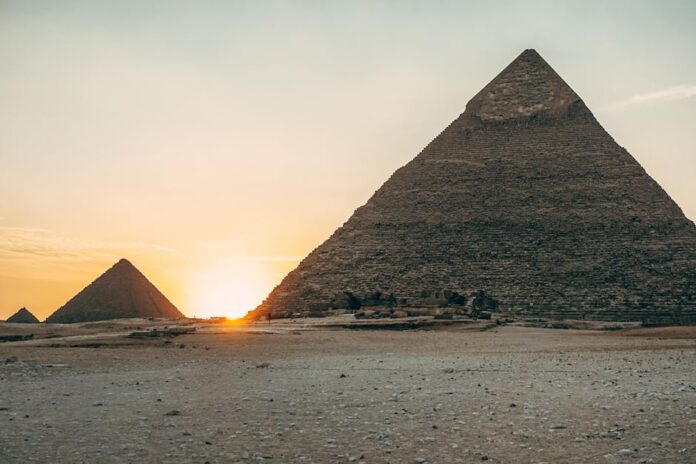
The Great Pyramid of Giza, built for Pharaoh Khufu around 2560 BCE, stood at 146.5 meters (481 feet) and held the record as the world’s tallest man-made structure for approximately 3,800 years. This record remained unbroken until the construction of Lincoln Cathedral’s central spire in England around 1311 CE. The engineering precision required to build this monument with the technology available in ancient times continues to astound researchers. The pyramid’s base is level to within just 2.1 centimeters, and its sides are aligned almost perfectly with the cardinal directions. An estimated 2.3 million stone blocks, each weighing between 2.5 and 15 tons, were used in its construction.
The Enduring Legacy of Ancient Egypt
These remarkable facts about ancient Egyptian culture demonstrate that this civilization was far more sophisticated, innovative, and relatable than many people realize. From their attention to personal hygiene and workers’ rights to their advanced medical knowledge and architectural achievements, the ancient Egyptians created a society that influenced countless aspects of human development. Their contributions to mathematics, medicine, architecture, and art continue to resonate through modern culture. Understanding these fascinating details helps us appreciate not only the grandeur of their monuments but also the daily lives, values, and ingenuity of the people who built one of history’s greatest civilizations along the fertile banks of the Nile River.