
⏱️ 5 min read
Among the many unique characteristics that distinguish Iceland from other countries, one particular fact stands out as both fascinating and enviable: this Nordic island nation is one of the very few places on Earth that has no mosquitoes. While these blood-sucking insects thrive across nearly every corner of the globe, from tropical rainforests to Arctic tundra, Iceland remains remarkably mosquito-free. This unusual phenomenon has captured the attention of scientists, travelers, and locals alike, offering insights into the delicate balance of ecosystems and the specific environmental conditions required for different species to survive.
The Global Prevalence of Mosquitoes
Mosquitoes are among the most widespread insects on the planet, with over 3,500 documented species inhabiting regions across all continents except Antarctica. These resilient creatures have adapted to virtually every climate imaginable, from the sweltering heat of equatorial zones to the surprisingly harsh conditions of the Arctic Circle. Mosquitoes have been found thriving in Greenland, northern Canada, Alaska, and Siberia, making Iceland’s complete absence of these insects all the more remarkable. The adaptability of mosquitoes has allowed them to become one of the most successful insect groups in terms of geographical distribution, which is why Iceland’s status as a mosquito-free zone presents such an intriguing scientific puzzle.
Scientific Explanations for Iceland’s Mosquito-Free Status
Researchers have proposed several interconnected theories to explain why mosquitoes have never established populations in Iceland, despite their presence in neighboring countries with similar climates. The answer appears to lie in a unique combination of climatic, geological, and environmental factors that create inhospitable conditions for mosquito larvae development and adult survival.
The Freeze-Thaw Cycle Challenge
The most widely accepted scientific explanation centers on Iceland’s distinctive freeze-thaw pattern. Unlike many Arctic and sub-Arctic regions where temperatures remain consistently cold throughout winter, Iceland experiences frequent temperature fluctuations that oscillate around the freezing point. These cycles occur multiple times throughout the year, particularly during transitional seasons. Mosquito larvae, which develop in standing water, require stable conditions to complete their life cycle. When water bodies freeze, thaw, and refreeze repeatedly, mosquito larvae cannot survive these dramatic environmental shifts. The constant disruption prevents the insects from progressing through their aquatic developmental stages to emerge as adults.
Volcanic Soil Composition
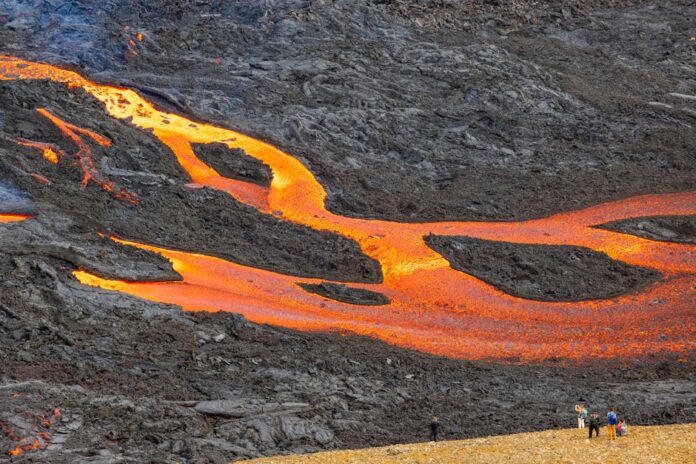
Iceland’s geological landscape provides another piece of the puzzle. The island’s volcanic origins have created a unique soil composition that may contribute to the mosquito-free environment. Icelandic soil contains high levels of volcanic minerals and has different chemical properties compared to continental soils. Some researchers suggest that the specific mineral content and pH levels of standing water bodies in Iceland may create unsuitable breeding conditions for mosquito larvae, though this theory requires further investigation to establish definitive causation.
Other Mosquito-Free Territories Around the World
Iceland is not entirely alone in its mosquito-free status, though it belongs to a remarkably exclusive club. A handful of other locations worldwide share this distinction:
- Antarctica, where extreme cold prevents virtually all insect life
- The Faroe Islands, which experience similar climatic conditions to Iceland
- French Polynesia’s New Caledonia (though some sources dispute this claim)
- Certain remote islands in the Seychelles
What makes Iceland particularly notable is that it remains mosquito-free despite having a relatively large landmass, permanent human population, and regular international connectivity that could theoretically introduce mosquitoes from other regions.
Implications for Public Health and Tourism
The absence of mosquitoes in Iceland carries significant practical implications that extend beyond mere curiosity. From a public health perspective, Icelandic residents and visitors are spared from mosquito-borne diseases that plague much of the world. Diseases such as malaria, dengue fever, Zika virus, West Nile virus, and yellow fever—which collectively affect hundreds of millions of people annually—pose no threat in Iceland due to the absence of mosquito vectors.
This mosquito-free status has also become an unexpected asset for Iceland’s tourism industry. Outdoor enthusiasts can explore the country’s stunning landscapes during summer months without the constant annoyance of mosquito swarms that characterize outdoor experiences in many other northern latitude destinations. Hikers, campers, and photographers can focus on Iceland’s natural wonders—from cascading waterfalls to geothermal hot springs—without needing insect repellent or protective netting.
The Broader Ecosystem Impact
While the absence of mosquitoes is generally viewed as positive from a human perspective, it does represent a notable gap in Iceland’s ecosystem. In regions where mosquitoes exist, they serve important ecological functions. Mosquito larvae provide food for fish and aquatic insects, while adult mosquitoes serve as prey for birds, bats, and other insects. Additionally, male mosquitoes, which feed exclusively on nectar, contribute to pollination.
Iceland’s ecosystems have evolved without mosquitoes, and other species fill similar ecological niches. The country hosts numerous other insect species, including midges, which are sometimes mistaken for mosquitoes but do not bite humans. These alternative insects help maintain ecological balance by serving as food sources and contributing to nutrient cycling.
Climate Change Considerations
As global temperatures rise and weather patterns shift, scientists monitor whether Iceland’s mosquito-free status might change. Warmer temperatures and altered precipitation patterns could potentially create more favorable conditions for mosquito colonization. However, as long as Iceland maintains its characteristic freeze-thaw cycles during critical development periods, experts believe the island will likely remain inhospitable to mosquitoes for the foreseeable future. Continued research and environmental monitoring will help determine whether this unique geographic distinction persists as climate conditions evolve.