
⏱️ 6 min read
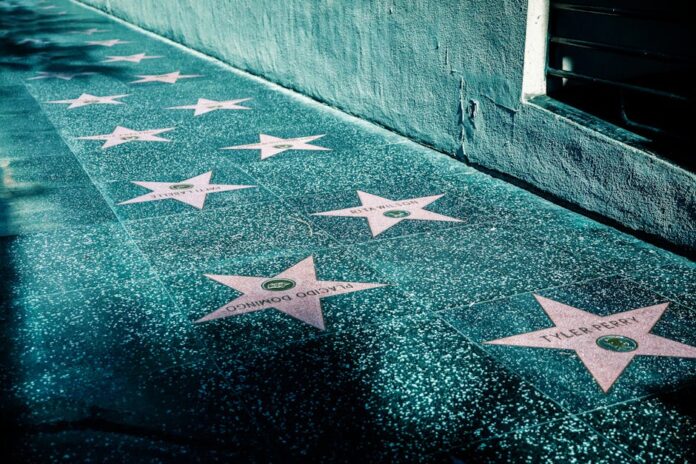
The Hollywood Walk of Fame stands as one of the most iconic landmarks in Los Angeles, attracting millions of visitors each year who come to see the stars embedded in the sidewalks along Hollywood Boulevard and Vine Street. While most people recognize the famous terrazzo and brass stars, there’s much more to this celebrated attraction than meets the eye. Behind the glamorous facade lies a fascinating history filled with unexpected rules, surprising honorees, and curious traditions that even devoted entertainment fans might not know about.
Unveiling the Lesser-Known Stories Behind the Stars
1. The Walk of Fame Requires Payment From Honorees
Contrary to popular belief, receiving a star on the Hollywood Walk of Fame isn’t free. The Hollywood Chamber of Commerce requires a sponsorship fee of $75,000 for each star ceremony. This fee covers the creation and installation of the star, as well as maintenance costs and the elaborate unveiling ceremony. Typically, this amount is paid by the celebrity’s studio, record label, fan club, or production company rather than the honoree themselves. This business model has existed since the Walk of Fame’s inception and helps ensure the landmark’s continued preservation and upkeep.
2. Muhammad Ali’s Star Is Mounted on a Wall
Boxing legend Muhammad Ali received his star in 2002, but with a unique specification. Ali’s star is the only one not embedded in the sidewalk; instead, it’s mounted on the wall of the Dolby Theatre. Ali requested this special placement because he didn’t want his name to be walked upon, stating that he didn’t want the name “Muhammad” to be stepped on, as it’s also the name of the Prophet of Islam. The Hollywood Chamber of Commerce honored his wishes, making his the only vertically displayed star on the entire Walk of Fame.
3. Four Fictional Characters Have Been Honored
Not all stars belong to real people. The Walk of Fame has recognized several beloved fictional characters with their own stars. Mickey Mouse was the first fictional character to receive this honor in 1978. Since then, other animated and puppet characters have joined the ranks, including Bugs Bunny, Donald Duck, Snow White, Winnie the Pooh, Kermit the Frog, and The Simpsons. These characters were honored for their significant cultural impact and contributions to the entertainment industry, proving that you don’t need to be human to leave an indelible mark on Hollywood history.
4. The Walk of Fame Features Five Different Categories
Each star on the Hollywood Walk of Fame includes a distinctive emblem beneath the honoree’s name, indicating their category of achievement. The five categories are represented by different symbols: a motion picture camera for film, a television set for television work, a phonograph record for music recording, a radio microphone for radio, and the dual masks of comedy and tragedy for live theatre and performance. Some versatile entertainers have received multiple stars in different categories, recognizing their contributions across various entertainment mediums.
5. Over 300 Celebrities Have Declined Their Stars
Receiving a star isn’t automatic even after being selected. Celebrities must agree to attend their unveiling ceremony as a condition of acceptance, and surprisingly, many have turned down the honor. Notable decliners include Madonna, Clint Eastwood, Al Pacino, and Prince. Reasons for refusal vary from scheduling conflicts and personal privacy preferences to disagreement with the selection process or simply lack of interest in the recognition. The Hollywood Chamber of Commerce maintains a list of approved but unscheduled stars for those who have been selected but haven’t yet committed to the ceremony.
6. The Original Walk of Fame Was Completed in Just 18 Months
The Hollywood Walk of Fame was conceived in 1953 by E.M. Stuart, who served as the volunteer president of the Hollywood Chamber of Commerce. The initial installation began in 1960, and workers completed the first 1,558 stars in an impressive 18-month period. These original stars honored performers selected by a special committee, representing various aspects of the entertainment industry. The rapid installation transformed Hollywood Boulevard into the tourist destination it remains today, revitalizing the area and establishing it as a must-see attraction for visitors from around the world.
7. Some Stars Honor Groups Rather Than Individuals
While most stars recognize individual achievement, several have been awarded to groups and ensembles. Musical groups like The Beatles, Earth, Wind & Fire, and the Backstreet Boys have received stars commemorating their collective contributions. Additionally, some stars honor entire production teams or organizations, such as the Apollo 11 astronauts, who received a star for their historic moon landing. These group recognitions acknowledge that sometimes the most significant entertainment achievements result from collaborative efforts rather than solo performances.
8. The Hollywood Walk of Fame Extends Over 15 Blocks
The Walk of Fame is considerably larger than many visitors realize. It stretches 1.3 miles along Hollywood Boulevard, from Gower Street to La Brea Avenue, and extends along Vine Street from Yucca Street to Sunset Boulevard. This expansive area encompasses more than 15 blocks and features over 2,700 stars. The Walk continues to grow, with approximately 24 new stars added each year following a rigorous selection process conducted by the Hollywood Chamber of Commerce’s Walk of Fame selection committee.
9. Stars Can Be Removed or Relocated Under Certain Circumstances
While permanent in nature, stars aren’t necessarily permanent in location. Throughout the Walk’s history, several stars have been relocated due to construction projects, street improvements, or building renovations. Additionally, the Hollywood Chamber of Commerce reserves the right to remove a star if the honoree is convicted of a serious crime that damages the Walk’s integrity, though this has rarely occurred. Most famously, Bill Cosby’s star has been the subject of removal petitions, though the Chamber has maintained its policy of regarding the stars as historical monuments rather than honors subject to revocation.
10. The Selection Process Is More Competitive Than Most Awards
Getting a star on the Hollywood Walk of Fame involves a rigorous selection process that many find more challenging than winning major entertainment awards. Nominees must first be submitted by a third party, as self-nominations aren’t accepted. The Walk of Fame selection committee, consisting of members from various entertainment industry sectors, meets annually to review hundreds of nominations. They consider factors including professional achievement, longevity in the entertainment industry (minimum five years), contributions to the community, and the likelihood that the honoree will attend the dedication ceremony. Only a small percentage of nominees are selected each year, making the honor highly exclusive.
A Living Monument to Entertainment History
The Hollywood Walk of Fame represents far more than a collection of decorated sidewalk tiles. It embodies the evolution of American entertainment, recognizing achievements across multiple generations and mediums while continuing to adapt to contemporary culture. From its unique payment structure to its special accommodations for individual honorees, from fictional characters to musical legends, the Walk of Fame reflects both the glamour and the complexity of the entertainment industry itself. These surprising facts reveal that behind every star lies a story, making this iconic landmark an even richer cultural treasure than its glittering surface suggests.