










1 / 10 Questions
0 Points

What color scheme dominated DIY home design in the 1990s?

Gray and white

Black and red

Avocado and harvest gold

Hunter green and mauve

Points won
0
Correct score
0%

More Questions

More Articles

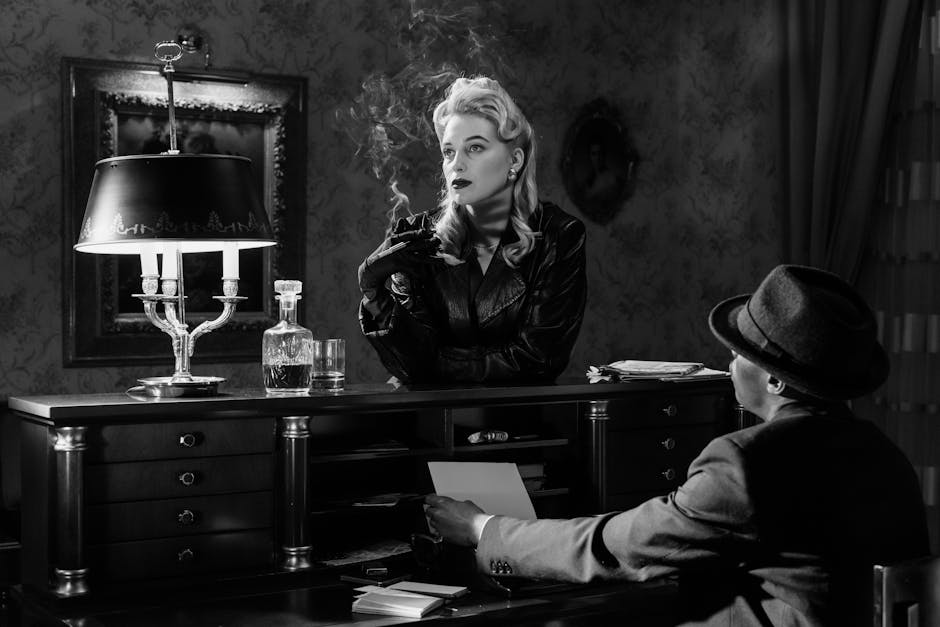
Top 10 Fun Facts About Classic Hollywood Films

Top 10 Fun Facts About Classic Hollywood Films

⏱️ 6 min read

The golden age of Hollywood produced some of cinema's most enduring masterpieces, but behind the glamorous premieres and iconic performances lie fascinating stories that even devoted film buffs might not know. From unexpected casting decisions to groundbreaking technical innovations, these remarkable tales reveal the ingenuity, creativity, and sometimes sheer luck that went into creating the films we still cherish today.

Behind-the-Scenes Secrets from Hollywood's Golden Era

1. The Wizard of Oz's Original Tin Man Was Hospitalized by His Costume

Buddy Ebsen was initially cast as the Tin Man in "The Wizard of Oz" (1939), but the aluminum powder makeup used for his costume nearly killed him. After nine days of filming, Ebsen experienced severe breathing problems and was hospitalized with aluminum dust coating his lungs. He was replaced by Jack Haley, whose costume was modified to use aluminum paste instead of powder. Ebsen recovered but carried lung problems for the rest of his life, eventually finding fame decades later as Jed Clampett in "The Beverly Hillbillies."

2. Casablanca's Script Was Written During Production

One of the most quotable films in cinema history was essentially made up as shooting progressed. "Casablanca" (1942) began filming without a completed script, with pages being delivered to the set daily. The actors, including Humphrey Bogart and Ingrid Bergman, often didn't know how the story would end. This uncertainty actually enhanced Bergman's performance, as she genuinely didn't know which man her character would choose, lending authentic ambiguity to her scenes with both Bogart and Paul Henreid. The iconic final line, "Louis, I think this is the beginning of a beautiful friendship," was dubbed in post-production.

3. Psycho's Chocolate Syrup Stood in for Blood

Alfred Hitchcock's revolutionary thriller "Psycho" (1960) was filmed in black and white partially as a cost-saving measure, but this decision led to an ingenious solution for the famous shower scene. Since blood wouldn't show properly on black and white film, Hitchcock used Bosco chocolate syrup instead. The thick, dark liquid provided the perfect viscosity and color contrast, creating one of cinema's most memorable and terrifying sequences. The scene required seven days to shoot and used 77 different camera angles for just 45 seconds of screen time.

4. Gone with the Wind's Search for Scarlett Became a National Obsession

The casting process for Scarlett O'Hara in "Gone with the Wind" (1939) turned into the most publicized talent search in Hollywood history. Producer David O. Selznick interviewed 1,400 actresses and tested 90 before discovering Vivien Leigh. The search lasted nearly two years and became a media sensation, with newspapers reporting on potential candidates daily. Ironically, Leigh was a relatively unknown British actress who was brought to Selznick's attention while he was filming the burning of Atlanta sequence. She arrived on set that night, and Selznick reportedly knew immediately she was his Scarlett.

5. Snow White Required 250,000 Individual Drawings

"Snow White and the Seven Dwarfs" (1937) represented Disney's first full-length animated feature and an unprecedented technical achievement. The film required approximately 250,000 individual drawings, with animators producing roughly 600 drawings for every minute of finished film. Industry insiders dubbed the project "Disney's Folly," predicting it would bankrupt the studio. Instead, it became the highest-grossing film of its time and revolutionized animation. The film's success enabled Disney to build a new studio and establish animation as a legitimate art form.

6. Singin' in the Rain's Title Scene Featured Real Rain and a 103-Degree Fever

Gene Kelly's legendary performance of "Singin' in the Rain" (1952) was filmed while he had a severe fever of 103 degrees. The rain was real water mixed with milk to make it show up better on camera, and the scene took nearly three days to perfect. Kelly insisted on performing despite his illness, and the wool suit he wore became increasingly heavy as it absorbed water. The puddle he splashes through was intentionally created and carefully maintained throughout filming. Kelly's dedication resulted in what many consider the most joyful musical sequence ever captured on film.

7. King Kong's Empire State Building Was Only 18 Inches Tall

The iconic 1933 film "King Kong" revolutionized special effects through innovative miniature work and stop-motion animation. The Empire State Building model used in the climactic scene stood just 18 inches tall, while Kong himself was typically represented by an 18-inch articulated model. The film required 50 technicians and took months to animate, with some sequences requiring an entire day to produce just seconds of footage. The groundbreaking effects work influenced filmmakers for generations and established many techniques still used in modern cinema.

8. The Maltese Falcon's Prop Was Lost for Decades

The actual falcon statuette from the 1941 film noir classic "The Maltese Falcon" disappeared after production wrapped. Made of lead and weighing approximately 47 pounds, it was one of two created for the film. One prop resurfaced in the 1980s and eventually sold at auction in 2013 for over four million dollars, making it one of the most valuable movie props ever sold. The statue's mystique perfectly mirrors the object of obsession it represented in the film, creating a real-life treasure hunt that lasted half a century.

9. Citizen Kane Invented Deep Focus Photography

Orson Welles' masterpiece "Citizen Kane" (1941) revolutionized cinematography through its innovative use of deep focus photography. Working with cinematographer Gregg Toland, Welles developed techniques that kept both foreground and background in sharp focus simultaneously, creating unprecedented visual depth. This required specially modified lenses and intense lighting setups. The film also pioneered the use of ceilings in shots, which was rare in Hollywood productions where studio lighting typically hung from above. These innovations influenced virtually every film made afterward and established new visual possibilities for cinema.

10. Some Like It Hot's Final Line Was Completely Improvised

Billy Wilder's comedy masterpiece "Some Like It Hot" (1959) features one of cinema's most famous closing lines: "Well, nobody's perfect." Actor Joe E. Brown delivered this response after learning that Jack Lemmon's character is actually a man, not the woman he's been courting. The line was suggested by Wilder as temporary dialogue to be replaced later, but when test audiences loved it, he kept it in the final cut. This perfectly timed improvisation became the ideal punctuation to a film that pushed boundaries for its era, addressing gender fluidity and sexual identity with surprising sophistication for the 1950s.

The Enduring Magic of Classic Hollywood

These fascinating stories from Hollywood's golden age reveal that the magic of classic cinema emerged from a combination of artistic vision, technical innovation, and often happy accidents. The challenges faced by filmmakers—from dangerous makeup materials to incomplete scripts—forced them to develop creative solutions that advanced the art of filmmaking itself. These films continue to captivate audiences not just because of what appears on screen, but because of the remarkable human stories behind their creation. Understanding these behind-the-scenes tales deepens our appreciation for the artistry and dedication required to create the timeless classics that defined an era and continue to influence cinema today.
Did You Know? 12 Hidden Facts About the Great Depression

Did You Know? 12 Hidden Facts About the Great Depression

⏱️ 6 min read

The Great Depression stands as one of the most devastating economic catastrophes in modern history, reshaping American society and leaving an indelible mark on global economics. While most people are familiar with the stock market crash of 1929 and the widespread unemployment that followed, numerous lesser-known aspects of this era remain hidden in the shadows of history. These overlooked details reveal the complexity, resilience, and unexpected consequences of this transformative period.

Surprising Realities of America's Darkest Economic Era

1. The Suicide Rate Actually Decreased During the Depression

Contrary to popular belief and Hollywood portrayals, suicide rates didn't skyrocket during the Great Depression. While there was a spike immediately following the 1929 crash, the overall suicide rate during the 1930s was lower than the preceding decade. Sociologists suggest that shared hardship created stronger community bonds and a sense of collective struggle that actually protected mental health. The myth of businessmen jumping from buildings became symbolic but wasn't statistically significant.

2. Monopoly Was Invented to Teach Anti-Capitalist Principles

The board game Monopoly, which became wildly popular during the Depression, was originally created by Elizabeth Magie in 1903 as "The Landlord's Game" to demonstrate the negative aspects of concentrating land ownership. Charles Darrow later marketed a modified version during the Depression, and it became an ironic symbol of capitalism during America's greatest economic failure. Families who couldn't afford entertainment found the game provided hours of free fun after the initial purchase.

3. The Depression Wasn't Equally Devastating Across All Industries

While manufacturing and construction collapsed, certain industries actually thrived. The movie industry experienced significant growth as people sought cheap escapism. Candy companies introduced affordable treats like Snickers and Tootsie Pops. The cosmetics industry boomed, with women purchasing small luxuries like lipstick as affordable indulgences. This phenomenon, later termed the "lipstick effect," demonstrates how consumer behavior shifts during economic downturns rather than simply stopping.

4. The Dust Bowl Was Partially Man-Made

The ecological disaster known as the Dust Bowl wasn't entirely a natural occurrence. Decades of aggressive farming practices, including deep plowing of native grasses that held topsoil in place, set the stage for catastrophe. When drought arrived, millions of acres of farmland simply blew away in massive dust storms. Some storms were so severe they reached Washington D.C. and New York City, depositing prairie soil on the desks of eastern lawmakers and forcing policy changes in agricultural practices.

5. Herbert Hoover's Reputation Was Unjustly Tarnished

President Hoover is often portrayed as indifferent to suffering, but this characterization is historically inaccurate. Before becoming president, Hoover had organized massive humanitarian relief efforts in Europe after World War I. During the Depression, he actually supported numerous government interventions, including the Reconstruction Finance Corporation. However, his philosophical opposition to direct federal relief and his poor communication skills created a public perception that haunted his legacy. The shantytowns called "Hoovervilles" cemented his association with the crisis.

6. Crime Rates Dropped Significantly

Despite the romanticized era of gangsters like John Dillinger and Bonnie and Clyde, actual crime rates decreased during the Great Depression. Property crimes dropped because there was simply less to steal, and the overall crime rate fell by nearly nine percent. The few high-profile criminals received disproportionate media attention, creating a false impression of rampant lawlessness. Some criminals even achieved folk hero status because they targeted banks, which many Americans blamed for their misfortune.

7. The New Deal Excluded Millions of African Americans

While the New Deal is celebrated for providing relief, many programs systematically excluded African Americans. The Social Security Act initially excluded agricultural and domestic workers, occupations that employed more than 60 percent of Black workers. The Federal Housing Administration's redlining policies institutionalized segregation and prevented Black families from building wealth through homeownership. These exclusions had generational consequences that extended far beyond the Depression era.

8. Americans Repurposed Everything Imaginable

The Depression created a culture of extreme frugality and creativity. Flour sacks were transformed into clothing and household linens, leading manufacturers to print their bags with colorful patterns to aid in marketing. Women drew lines up the backs of their legs to simulate stockings. Old tires became sandals. This "make-do and mend" philosophy wasn't just about poverty—it became a point of pride and ingenuity that defined a generation.

9. The Depression Ended Prohibition

The 21st Amendment, which repealed Prohibition in 1933, was partially motivated by economic considerations. Legalizing alcohol meant new tax revenues and job creation in brewing, distilling, and hospitality industries. The government desperately needed the tax income, and the public needed employment opportunities. What had been framed as a moral issue was ultimately resolved through economic pragmatism.

10. Birth Rates Plummeted to Historic Lows

The Depression generation postponed marriage and children, causing birth rates to drop dramatically. In 1933, the birth rate fell to 18.4 births per 1,000 population, a record low not broken until the 1970s. Young couples couldn't afford to start families, and some states even considered laws to prevent unemployed men from marrying. This demographic shift had lasting effects on population patterns and would later contribute to labor shortages during World War II.

11. The Depression Sparked a Fitness Movement

With less money for entertainment and food, many Americans became inadvertently healthier. People walked or biked instead of driving, consumed fewer calories, and engaged in physical labor through government work programs. Life expectancy actually increased during the 1930s, partly due to lower rates of obesity-related diseases. Public health officials noted improvements in certain health metrics despite the economic devastation.

12. It Created Modern Economic Policy

The Great Depression fundamentally transformed the relationship between government and economy. Concepts like unemployment insurance, Social Security, federal deposit insurance, and securities regulation emerged from this crisis. The Federal Reserve's role expanded dramatically. John Maynard Keynes' theories about government intervention during economic downturns became mainstream. These innovations created the framework for modern economic policy and established precedents for government response to financial crises that continue today.

Lessons From History's Economic Catastrophe

These hidden facts reveal that the Great Depression was far more complex than simple narratives suggest. It was an era of contradiction—devastating yet innovative, destructive yet transformative. While millions suffered immeasurably, the period also demonstrated human resilience and adaptability. Understanding these lesser-known aspects provides crucial context for comprehending not just the 1930s, but also how economic crises shape society in unexpected ways. The Depression's legacy extends far beyond history books, influencing modern economic policy, social programs, and cultural attitudes toward money, government, and community responsibility that remain relevant nearly a century later.