
Points won
0
Correct score
0%

More Questions

More Articles

Did You Know Coffee Is the Second Most Traded Commodity?

Did You Know Coffee Is the Second Most Traded Commodity?

⏱️ 6 min read

Every morning, millions of people around the world begin their day with a steaming cup of coffee, rarely pausing to consider the remarkable global journey behind those aromatic beans. Coffee holds a distinguished position in international trade, ranking as the second most traded commodity in the world by volume, surpassed only by crude oil. This fascinating statistic reflects not just our collective caffeine dependence, but also the intricate economic networks, agricultural practices, and cultural traditions that make coffee a cornerstone of global commerce.

Understanding Coffee's Position in Global Trade

The coffee industry generates approximately $100 billion annually in global trade value, with over 25 million farmers across more than 70 countries dedicating their livelihoods to cultivating this beloved crop. The sheer scale of coffee production and consumption creates an economic ecosystem that rivals major industrial commodities. Each year, the world produces roughly 170 million 60-kilogram bags of coffee, with demand continuing to grow steadily as emerging markets develop increasingly sophisticated coffee cultures.

The designation of coffee as the second most traded commodity reflects both its volume and its economic impact across continents. Unlike crude oil, which is concentrated in specific regions, coffee production spans the tropical belt around the equator, involving numerous developing nations whose economies depend significantly on coffee exports. This widespread cultivation creates a truly global market with complex supply chains connecting rural farmers to urban consumers worldwide.

The Coffee Belt: Where Production Thrives

Coffee grows exclusively in what experts call the "Coffee Belt" or "Bean Belt," a region stretching between the Tropics of Cancer and Capricorn. This geographic limitation makes coffee production unique among major commodities, as specific climatic conditions—altitude, temperature, rainfall, and soil composition—determine both the quantity and quality of coffee harvests.

Brazil dominates global coffee production, accounting for approximately 40% of the world's supply. Vietnam follows as the second-largest producer, specializing primarily in robusta beans used for instant coffee and espresso blends. Colombia, Indonesia, and Ethiopia round out the top five producing nations, each bringing distinctive flavor profiles and cultivation methods to the global market.

The Two Primary Coffee Species

The global coffee trade primarily involves two species: Arabica and Robusta. Arabica beans, representing roughly 60-70% of global production, are prized for their smooth, complex flavors and typically command higher prices. These beans thrive at higher altitudes and require more delicate growing conditions. Robusta beans, comprising the remaining 30-40%, contain nearly double the caffeine content, grow at lower elevations, and demonstrate greater resistance to pests and diseases, making them economically attractive for many producers.

The Economic Impact on Producing Countries

For many developing nations, coffee exports represent a critical component of their economic stability and foreign exchange earnings. Countries like Ethiopia, Honduras, and Uganda depend on coffee for 25-50% of their export revenues. This dependence creates both opportunities and vulnerabilities, as coffee prices fluctuate based on weather patterns, global demand, currency exchange rates, and speculative trading.

The livelihoods of an estimated 125 million people worldwide connect directly to coffee cultivation, harvesting, processing, and trading. In rural areas across Africa, Central America, and Southeast Asia, coffee farming provides essential income and employment opportunities that might otherwise be scarce. However, this dependence also exposes farming communities to economic volatility when market prices drop below sustainable levels.

From Cherry to Cup: The Complex Supply Chain

Coffee's journey from farm to consumer involves multiple stages, each adding value and complexity to the trading process:

  • Cultivation and harvesting by farmers, often using manual picking methods to select ripe cherries
  • Processing to remove the fruit and extract the beans, using either wet or dry methods
  • Milling and grading to sort beans by size, weight, and quality characteristics
  • Export through cooperatives, middlemen, or direct trade relationships
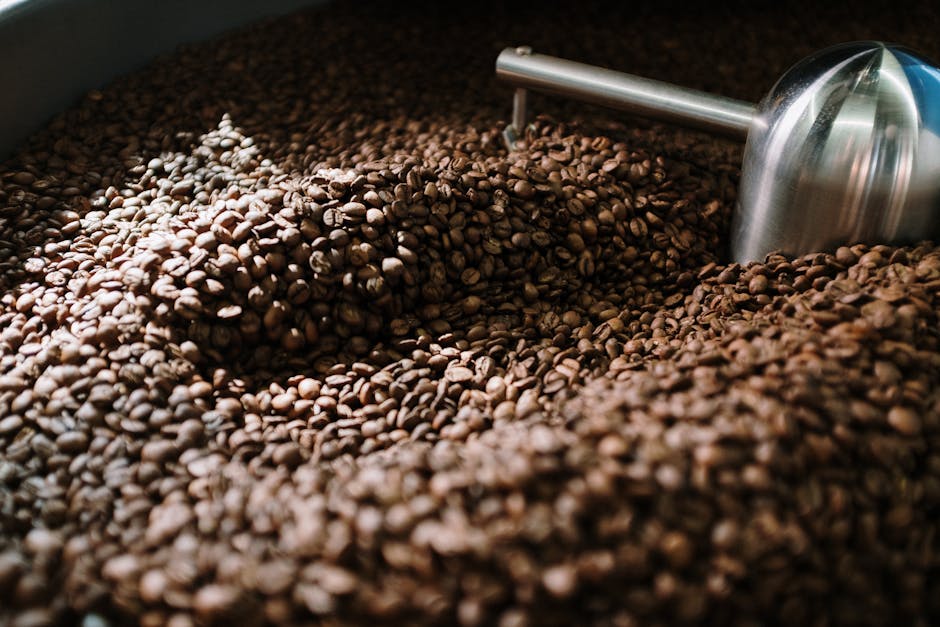
  • Roasting by specialty roasters or large commercial operations
  • Distribution through retail channels, cafes, and direct-to-consumer platforms
  • Final preparation and consumption in homes, offices, and coffee shops

Each stage in this supply chain involves distinct trading relationships, quality assessments, and price determinations. The complexity of these networks contributes to coffee's status as a major traded commodity, with futures contracts traded on exchanges in New York, London, and other financial centers.

Price Volatility and Market Dynamics

Coffee prices experience significant volatility due to various factors including weather events, political instability in producing regions, currency fluctuations, and shifts in consumer preferences. Frost in Brazil, drought in Vietnam, or political unrest in Colombia can send prices soaring overnight. This volatility affects everyone in the supply chain, from farmers planning their next season to roasters managing inventory costs to consumers noticing price increases at their local café.

The C-Market, which sets the global benchmark price for arabica coffee, operates as a commodity futures market where traders speculate on future prices. While this market provides price discovery and risk management tools, it can also disconnect from the actual costs of sustainable production, sometimes falling below what farmers need to maintain viable operations.

Sustainability and Fair Trade Movements

Growing awareness of the economic challenges facing coffee farmers has spurred movements toward more sustainable and equitable trading practices. Fair Trade, Rainforest Alliance, and direct trade initiatives aim to ensure farmers receive prices that cover production costs and provide decent living standards. These certification programs also promote environmental stewardship, including shade-grown cultivation methods that protect biodiversity and organic farming practices that reduce chemical inputs.

Climate change poses an existential threat to coffee production, with rising temperatures, changing rainfall patterns, and increased pest pressures threatening traditional growing regions. Industry stakeholders increasingly recognize that ensuring the long-term viability of this major commodity requires investments in farmer livelihoods, sustainable agricultural practices, and climate adaptation strategies.

The Future of Coffee Trade

As global coffee consumption continues rising, particularly in emerging markets like China and India, the dynamics of coffee trade continue evolving. Specialty coffee markets emphasizing quality, traceability, and unique flavor profiles command premium prices and create new opportunities for producers willing to invest in excellence. Technology platforms connecting farmers directly with roasters and consumers promise to reshape traditional trading relationships, potentially delivering greater value to origin communities.

Coffee's remarkable position as the second most traded commodity reflects not just economic statistics, but also the profound ways this crop shapes cultures, sustains communities, and connects people across continents. Understanding the complexity behind each cup fosters appreciation for the global systems that deliver this daily ritual to billions of people worldwide.
Did You Know? 15 Crazy Facts About Internet History

Did You Know? 15 Crazy Facts About Internet History

⏱️ 7 min read

The internet has become such an integral part of daily life that it's hard to imagine a world without it. Yet this revolutionary technology has a fascinating history filled with unexpected twists, quirky origins, and surprising milestones. From its humble beginnings as a military project to becoming the global network connecting billions of people, the journey of the internet is packed with remarkable stories that most people have never heard. These incredible facts reveal the strange, amusing, and sometimes shocking origins of the technology we now take for granted.

The Origins and Early Development

1. The First Message Ever Sent Was a Crash

On October 29, 1969, the very first internet message was supposed to be the word "LOGIN" sent from UCLA to Stanford Research Institute. However, the system crashed after only two letters were transmitted. The first internet message in history was simply "LO" – an unintentionally prophetic "hello" before the system went down. The full login message was successfully sent about an hour later after the system was restored.

2. Email Predates the World Wide Web by Two Decades

Most people associate email with the modern internet, but electronic mail was actually invented in 1971 by Ray Tomlinson – a full 20 years before the World Wide Web was created. Tomlinson also chose the "@" symbol to separate the user name from the computer name, a convention that remains standard today. His first email was a forgettable test message that he later admitted was "something like QWERTYUIOP."

3. The Internet Was Designed to Survive Nuclear War

The internet's predecessor, ARPANET, was developed by the U.S. Department of Defense with a specific purpose: to create a communication network that could withstand a nuclear attack. The decentralized structure meant that if one part of the network was destroyed, information could still flow through other routes. This resilient architecture became the foundation for today's internet infrastructure.

Surprising Milestones and Firsts

4. The First Item Ever Sold Online Was Marijuana

According to various accounts, Stanford and MIT students used ARPANET accounts in the early 1970s to arrange the sale of marijuana between campuses. This underground transaction technically makes cannabis the first product ever sold online, predating legitimate e-commerce by decades. Of course, the first legal e-commerce transaction wouldn't occur until the 1990s when encryption made online shopping secure.

5. The First Webcam Was Created to Monitor a Coffee Pot

In 1991, researchers at Cambridge University were tired of walking to the break room only to find an empty coffee pot. Their solution was to set up a camera pointed at the coffee maker and connect it to their computer network. This became the world's first webcam, allowing them to check coffee availability before making the trip. The Trojan Room coffee pot became an internet celebrity before being retired in 2001.

6. The Original Internet Had Only Four Computers

When ARPANET first went online in 1969, it connected exactly four computers: one at UCLA, one at Stanford Research Institute, one at UC Santa Barbara, and one at the University of Utah. This tiny network was the seed that would eventually grow into the global internet connecting billions of devices today.

Strange Facts About Domain Names and Websites

7. The First Domain Name Was Registered in 1985

Symbolics.com holds the distinction of being the first .com domain ever registered on March 15, 1985. The computer manufacturer Symbolics Corporation secured this piece of internet history more than six years before the World Wide Web was even invented. The domain is still active today, now serving as a museum of internet history.

8. Google's Name Was Originally a Spelling Mistake

The search engine giant was supposed to be called "Googol," a mathematical term for the number 1 followed by 100 zeros, representing the vast amount of information the search engine would organize. However, when founders Larry Page and Sergey Brin went to register the domain name, their investor spelled it "Google" on the check. The name stuck, and the misspelling became one of the world's most valuable brand names.

9. The First YouTube Video Was Only 18 Seconds Long

Uploaded on April 23, 2005, by co-founder Jawed Karim, the first YouTube video titled "Me at the zoo" showed Karim standing in front of elephants at the San Diego Zoo. The unremarkable 18-second clip now has over 240 million views and represents the beginning of a platform that would revolutionize online video content and create an entirely new form of entertainment and education.

Unexpected Internet Culture and Phenomena

10. The First Emoticon Was Used in 1982

Computer scientist Scott Fahlman posted the first documented use of an emoticon on September 19, 1982, on a Carnegie Mellon University bulletin board. He suggested using :-) for jokes and :-( for serious matters to help people interpret the tone of text-based messages. This simple innovation laid the groundwork for the billions of emojis sent every day.

11. Alaska Was Connected to the Internet Before Many U.S. States

Due to its remote location and military importance during the Cold War, Alaska received internet connectivity surprisingly early. The state was connected to ARPANET in 1969 through military installations, giving it internet access before most of the continental United States. This demonstrates how the internet's military origins influenced its early geographic expansion.

12. More Than 90% of the Internet Is Invisible

The "deep web" – portions of the internet not indexed by standard search engines – comprises more than 90% of all internet content. This includes password-protected pages, private databases, academic resources, and legitimate private networks. The deep web shouldn't be confused with the "dark web," which is a much smaller portion requiring special software to access and often associated with illegal activities.

Technical Oddities and Limitations

13. The Internet Weighs About as Much as a Strawberry

In 2011, a researcher calculated that the internet – or more specifically, all the electrons in motion that represent stored data – weighs approximately 50 grams, about the same as a medium strawberry. This counterintuitive calculation reminds us that despite its massive virtual presence, the internet's actual physical weight is surprisingly negligible.

14. China Has More Internet Users Than the U.S. Has People

As of recent statistics, China has over 1 billion internet users, which exceeds the entire population of the United States. Despite this massive user base representing about 70% of China's population, it still means hundreds of millions of Chinese citizens have never accessed the internet, highlighting the ongoing digital divide even in highly developed nations.

15. The Internet's Traffic Would Take 5 Million Years to Download

The amount of internet traffic generated globally each day is staggering. If someone attempted to download all the data transmitted across the internet in a single day using an average home connection, it would take approximately 5 million years to complete. Every minute, hundreds of thousands of hours of video are uploaded, millions of emails are sent, and countless transactions occur simultaneously across the globe.

Conclusion

These fifteen fascinating facts reveal that internet history is far more colorful and unexpected than most people realize. From crashed first messages and coffee-monitoring cameras to misspelled company names and strawberry-weight networks, the internet's journey has been anything but predictable. What began as a small military project connecting four universities has evolved into humanity's most transformative communication technology. Understanding these quirky origins and surprising milestones helps us appreciate not just where the internet is today, but the creative, sometimes accidental, and often amusing path it took to get here. As the internet continues to evolve with new technologies like artificial intelligence, virtual reality, and quantum computing, we can expect its future to be just as surprising as its remarkable past.